

Competitive Energy
Competitive Energy is the inner fire that drives athletes and teams to push limits, raise standards and win under pressure. In every sport there is a visible output and an invisible force. That force is Competitive Energy. It shapes preparation, performance and recovery. This article explains how athletes and coaches can understand, cultivate and sustain Competitive Energy for consistent success. It also shows how teams can channel that energy into collective momentum on game day.
What Competitive Energy Means for Athletes
At its core Competitive Energy is the sum of physical readiness, mental focus and emotional drive. When an athlete steps into a match with high Competitive Energy they move with purpose and clarity. Their decisions are faster and their execution is sharper. That energy comes from training that is specific and intentional. It also comes from a mindset that treats pressure as fuel rather than a threat.
Competitive Energy is not only about raw intensity. It includes timing, rhythm and the ability to modulate effort. Top performers know when to accelerate and when to conserve energy. That rhythm is the result of smart conditioning and practice habits that reflect real game demands. When training mirrors competition, Competitive Energy becomes durable and transferable across different contexts.
Mental Strategies to Build Competitive Energy
Mental skills are central to sustaining Competitive Energy. Visualization helps athletes rehearse success and reduce anxiety on game day. Goal setting gives energy a direction. Short term goals during a match create micro wins that sustain momentum. Routine and ritual prime the mind. A pre performance routine can create a reliable pathway from calm preparation to explosive action.
Mindfulness practices increase present moment awareness and reduce the drain of intrusive thoughts. Breathing exercises help control arousal. Cognitive reframing turns fear into focus. These small mental tools accumulate into a robust capacity to perform under pressure. Coaches who teach mental skills create teams with higher baseline Competitive Energy, because players trust their preparation and trust each other.
Physical Conditioning that Supports Competitive Energy
Physical training must be specific to the demands of the sport and to the timing of competitions. Strength and power training build the capacity to produce decisive actions. Aerobic conditioning builds a reserve that allows athletes to recover faster between high intensity efforts. Mobility and stability work reduce the risk of breakdowns that sap energy and confidence.
Periodization structures training so that Competitive Energy peaks at the right time. Smart load management prevents chronic fatigue. Recovery practices such as quality sleep, targeted nutrition and active recovery sessions replenish energy stores. Hydration and timely fueling influence not just physical output but mental clarity, which is a core component of Competitive Energy.
Nutrition and Recovery: The Fuel of Competitive Energy
Nutrition plays a crucial role in day to day energy availability and in acute performance. Carbohydrate timing supports quick energy needs. Protein supports repair and adaptation. Micronutrients support cognitive function and hormonal balance. Hydration influences concentration and reaction time. Athletes who plan their intake around training and competition are more likely to show up with high Competitive Energy.
Recovery protocols are equally important. Quality sleep is the foundation of emotional regulation and decision speed. Short naps can restore alertness during long tournaments. Cold water immersion or contrast therapy can help manage inflammation while active recovery sessions maintain blood flow without adding stress. The goal is to create a cycle where work time builds capability and recovery time consolidates gains and renews Competitive Energy.
Team Dynamics and Collective Competitive Energy
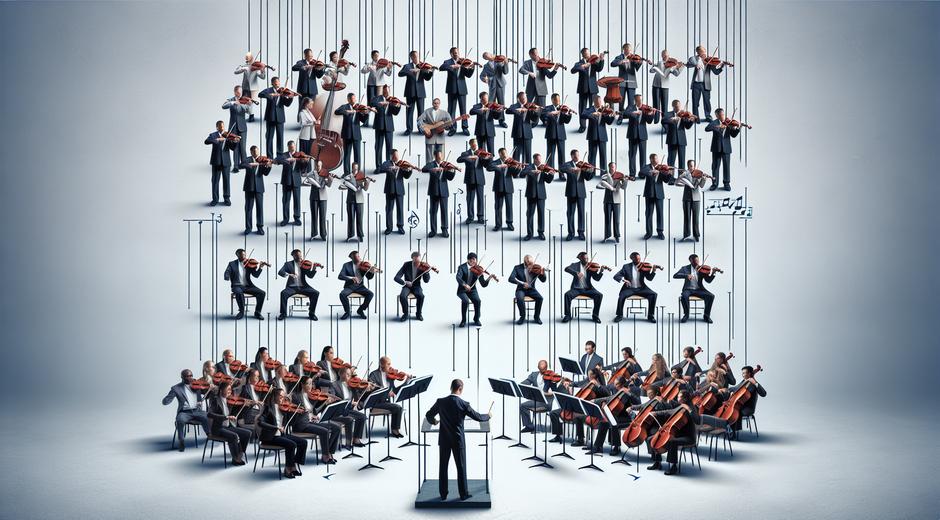
In team sports Competitive Energy is contagious. A single leader can lift the group or dampen the mood. Communication, trust and shared purpose create a magnetic field that keeps Competitive Energy on high. Coaches build this field by setting clear roles and by reinforcing behaviors that match the team identity.
Rituals such as unified warm up sequences and huddles foster cohesion and prepare players psychologically. Small group practices that replicate pressure moments help teams learn how to respond together. Feedback culture matters. When players receive constructive feedback and feel safe to try new things they maintain a high level of Competitive Energy during learning phases.
Tactical Use of Competitive Energy in Matches
Competitive Energy can be used tactically. Teams may choose to apply early pressure to unsettle an opponent or to conserve energy and strike later. Individual athletes can exploit moments when opponents show signs of fatigue or loss of focus. Reading the flow of a contest and choosing when to escalate effort is a high value skill.
Coaches who manage substitutions, tempo and strategic pauses effectively influence the energy balance. Time outs and strategic breaks serve as tools for regaining Competitive Energy and refocusing attention. The ability to shift energy across phases of play is a hallmark of elite teams.
Measuring Competitive Energy
Although Competitive Energy is abstract it can be tracked through proxies. Performance metrics like sprint speed, jump height and decision time give clues about physical readiness. Heart rate variability and sleep quality track recovery. Subjective scales for readiness and mood reveal mental and emotional state. Combining objective data with athlete self reports creates a fuller picture.
Data driven approaches allow coaches to adjust training and recovery to protect Competitive Energy. When trends show declining readiness interventions such as reduced load or targeted recovery restore balance. Technology aids in measurement but the human context remains vital. Athletes are not just numbers. Conversations that uncover personal stressors or motivational shifts add depth to the data and guide better decisions.
Training Drills to Amplify Competitive Energy
Design drills that mimic the intensity and decision complexity of real competition. Small sided games create frequent high value actions and quick decision cycles. Time pressure drills condition athletes to perform under urgency. Competitive drills with scoring incentives tap into natural motivational systems and create a laboratory for building durable Competitive Energy.
Include scenario training that replicates deficit situations and pressure moments. Practicing responses to adversity increases confidence and reduces energy loss in real contests. Rotate roles so athletes develop adaptability. The goal is to build a toolkit of responses that can be accessed automatically when Competitive Energy matters most.
Applying Competitive Energy Across Sports
Competitive Energy is universal across sport. Runners use it to push through the last kilometers. Swimmers use it to maintain stroke efficiency under fatigue. Team sports use it to maintain tactical coherence. Combat sports use it to control pace and exploit openings. Each sport requires specific adaptations but the basic pillars remain consistent: physical readiness, mental focus and emotional regulation.
Cross training and mixed practice can transfer Competitive Energy traits from one domain to another. For example explosive plyometric work benefits many athletes and mindfulness practice helps athletes in any sport handle pressure. Coaches who look beyond their sport for training ideas often find novel ways to build Competitive Energy.
Common Pitfalls and How to Avoid Them
One common error is overemphasizing intensity without sufficient recovery. That approach depletes Competitive Energy and increases injury risk. Another pitfall is ignoring mental skills while focusing only on physical training. Without mental resilience Physical Energy may be wasted in poor decisions. A third mistake is poor communication within a team which leads to wasted energy and confusion.
Solutions are simple but require discipline. Plan recovery as rigorously as practice. Teach mental skills alongside technical skills. Build communication routines and reinforce team identity. These changes preserve Competitive Energy and turn potential into consistent performance.
Conclusion
Competitive Energy is the engine that powers performance. It is not a single quality but a cluster of capabilities that include physical readiness, mental skills and team cohesion. Athletes and coaches who treat energy as a strategic asset can control it, amplify it and apply it at the right moments. That leads to better outcomes and more satisfying sport experiences.
For more insights into training methods and performance planning visit sportsoulpulse.com where we explore sport specific strategies and expert advice. You may also explore recommended resources and partner offerings by following trusted links within our content