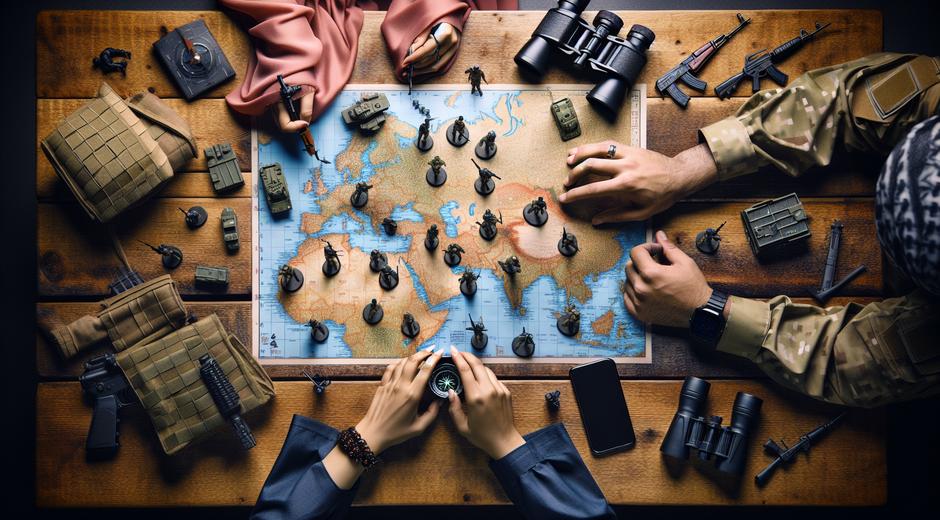


Tactical Awareness Guides Champions How to See the Play Before It Happens
What Tactical Awareness Means in Sport
Tactical Awareness is the mental framework athletes use to read the field court or ring and to make the best possible choices under pressure. It combines pattern recognition spatial understanding and decision making. In team sport Tactical Awareness allows players to predict opponents moves find space and create scoring opportunities. In individual sport Tactical Awareness helps athletes manage pacing control distance and select the right strategy at the right moment. For coaches and analysts the ability to measure and improve Tactical Awareness is a core element of long term success.
Why Tactical Awareness Matters Across All Sport Types
From soccer to boxing from basketball to tennis Tactical Awareness separates good athletes from great ones. Tactical Awareness reduces errors increases efficiency and boosts the quality of each decision made during play. Teams with high Tactical Awareness tend to control tempo defend more effectively and transition quickly from defense to attack. Players with strong Tactical Awareness read cues from teammates and opponents adjust positioning and exploit weaknesses. This skill is not fixed. It can be taught observed and refined with consistent practice and intelligent feedback.
Key Components of Tactical Awareness
There are several building blocks that combine to form reliable Tactical Awareness. The main elements include:
Situational perception This is the ability to take in relevant visual and auditory information about who is where and what spaces are open.
Pattern recognition Recognizing recurring formations sequences and opponent tendencies helps athletes anticipate rather than react.
Decision making Choosing the most effective option quickly and under pressure improves outcomes and reduces wasted motion.
Spatial intelligence Understanding where to be and when to move is essential for creating space and shutting down threats.
Adaptability The capacity to adjust strategy when opponents change tactics keeps teams and athletes ahead of the curve.
How Coaches Build Tactical Awareness
Coaches play a central role in building Tactical Awareness. Training sessions should include small sided scenarios that focus on perception and decision making rather than only on technical skills. Video review is another powerful tool. When players watch game footage with guided questions they connect actions with outcomes and learn to see patterns they missed in the heat of play.
Coaches should also create learning environments that mimic real game pressure. Time constraints variable opposition and role rotation force players to process information faster and to communicate more effectively. A great coach provides feedback that explains not only what to change but why that change will improve results on the scoreboard.
Practical Drills to Improve Tactical Awareness
Drills that emphasize choice and variability translate best to improved Tactical Awareness. Examples that work across many sports include small sided games where teams must score fast given limited touches or plays that require quick transitions from offense to defense. Situational practice such as two minute finishes down a point deficit or end of game scenarios builds mental resilience and strategic clarity.
Another effective method is situational video cues. Show players a short clip then pause and ask what they would do next. Debrief the outcomes and encourage multiple correct responses to foster creative solutions. For individual athletes mirror drills where the athlete must react to an opponent or an object unpredictably also sharpen the ability to read intent and respond accurately.
Using Data and Technology to Strengthen Tactical Awareness
Modern teams combine observational coaching with objective data to accelerate growth. Tracking movement patterns mapping heat zones and analyzing sequences of play reveal systemic strengths and weaknesses that human eyes might miss. Wearable technology and video analytics help translate that data into targeted practice plans that focus on decision making and positioning. When analytics are paired with clear coaching language players understand not only what changes to make but how those changes improve team success.
To learn more about how sports media and analysis cover trends in Tactical Awareness visit sportsoulpulse.com where articles and guides help coaches athletes and fans explore practical methods and success stories.
Measuring Progress in Tactical Awareness
Progress can be measured both qualitatively and quantitatively. Qualitative indicators include improved communication more consistent positioning and fewer preventable turnovers. Quantitative measures include possession retention rates successful transition attacks pass choice accuracy and scoring efficiency in high pressure phases. Regular testing through practice scenarios and simulated games provides benchmark data so that coaches can evaluate growth over weeks and months.
Common Mistakes When Training Tactical Awareness
One common error is isolating technical training from tactical training. Skills are critical but when separated from decision making athletes struggle to apply skills during competition. Another mistake is over coaching with prescriptive solutions that limit player creativity. Tactical Awareness thrives when athletes are encouraged to explore options within a structured framework and to learn from their mistakes. Finally some programs rely solely on physical conditioning and overlook cognitive load. Tactical training requires mental energy so scheduling must balance intensity and recovery to prevent cognitive fatigue.
How Athletes Can Self Improve Tactical Awareness
Players can take active steps to raise their own Tactical Awareness. Regularly reviewing game footage focusing on one small aspect at a time practicing situational drills with purposeful goals and discussing alternatives with teammates all speed learning. Journaling decisions made during practice and games helps athletes notice patterns and to form mental checklists they can apply under pressure. Mental rehearsal is another effective method. Visualizing scenarios and walking through possible responses builds neural pathways that support faster in game execution.
Examples from Top Level Play
At the highest level Tactical Awareness often looks like elegant anticipation. A midfielder opening a passing lane before a defender commits a step a point guard creating a spacing advantage with a single glance a boxer timing a counter punch by reading weight shift. These moments appear simple but are the product of thousands of reps plus a trained eye that reads context faster than an opponent. Teams that cultivate this skill systemically gain a compound advantage as decisions compound across possessions and minutes.
Conclusion Building a Culture of Tactical Awareness
Tactical Awareness is not an optional extra. It is a foundational skill that affects all aspects of performance. Developing it requires intentional design of practice scenarios clear feedback loops strategic use of technology and a player centered approach that values creativity and learning. Whether you are a youth coach a high performance athlete or a fan wanting to understand the game more deeply investing time in Tactical Awareness pays dividends in smarter play and better results. For perspectives that cross sport categories and for ideas on how leaders in sport apply these principles consider visiting research and commentary resources like Politicxy.com which explore broader themes in strategy and leadership that apply to sport and to life.