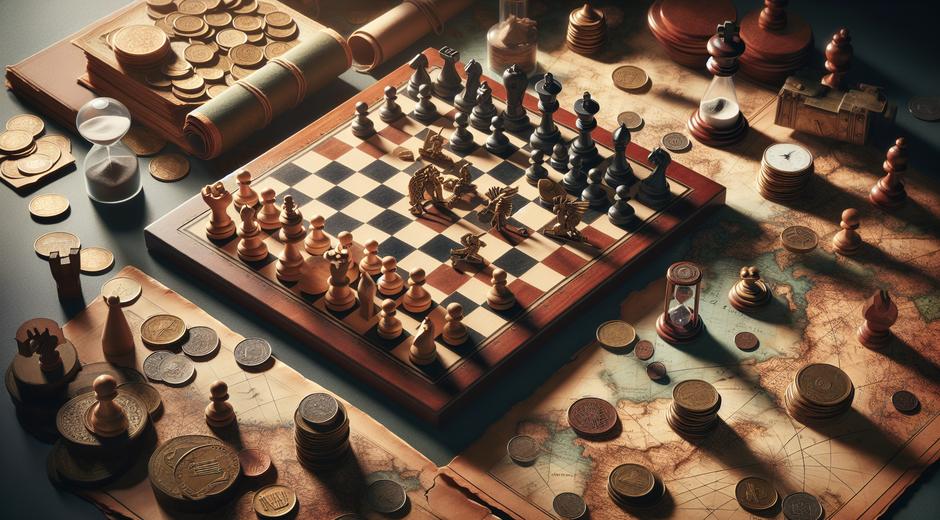


Strategy in Sports How Smart Planning Wins Games and Builds Champions
What Strategy Means in the World of Sports
Strategy is the thoughtful plan that guides athletes coaches and teams toward consistent success. In sports every action from training routines to in game decisions contributes to a larger plan. A strong Strategy aligns resources talent and time to achieve a competitive edge. For a multi sport audience understanding Strategy in clear practical terms can transform performance on field court track or ice.
Core Elements of an Effective Strategy
A practical Strategy rests on several core elements that apply across sports. First clarity of goals ensures everyone knows what success looks like. Second analysis of strengths and weaknesses helps craft plans that amplify advantages and reduce exposure. Third tactical flexibility allows quick adaptation when conditions change. Fourth consistent execution through specific skills and habits turns plans into results. Finally continuous assessment through metrics and feedback creates a loop of improvement.
Using Data to Shape Winning Strategy
Modern sports are driven by data. Performance metrics video review and physiological monitoring all inform better choices. Coaches who use clear data to identify trends can make smarter selection decisions design better training plans and choose tactics that exploit opponent patterns. A Strategy that integrates objective measurement with human judgment reduces guesswork and increases the chance of repeatable success.
Strategy for Different Phases of Competition
Every match has phases and a comprehensive Strategy prepares for each. Pre game Strategy focuses on scouting opponent tendencies set piece planning and mental preparation. In game Strategy emphasizes situational choices such as when to increase pressure conserve energy or change formation. Post game Strategy uses analysis to correct errors and reinforce successful plays. Treating each phase as an opportunity for strategic gain builds resilience across a season.
Team Culture and Strategy
Culture is the invisible architecture that supports a Strategy. A team that values communication accountability and growth will execute strategic plans with more consistency. Leadership plays a key role. Captains coaches and support staff must model the behaviors that strategy requires. Building a culture where feedback is welcomed and mistakes are treated as learning opportunities creates a stable environment where Strategy can thrive.
Individual Athlete Strategy
Strategy matters for individual athletes too. Creating a personalized plan that balances skill development physical conditioning recovery and mental training is vital. Athletes should set short term milestones and long term objectives. A clear Strategy for practice sessions helps focus effort on weak points while maintaining strengths. Nutrition and sleep are often overlooked strategic levers that directly affect performance and should be part of any serious plan.
Adapting Strategy to Opponents and Conditions
Opponents and playing conditions change and the best strategies are adaptive. Scouting reports help anticipate opponent tendencies but flexibility in execution is essential. Weather surface and referee tendencies can all influence the optimal approach. A resilient Strategy includes contingency plans so teams and athletes can shift tactics without losing composition. Practicing multiple scenarios during training reduces the cognitive load when changes must be made mid competition.
Strategy and Youth Development
For youth programs Strategy is as much about long term development as it is about immediate wins. A developmental Strategy prioritizes skill fundamentals decision making and enjoyment. Overemphasizing results at a young age can undermine long term potential. Coaches who design age appropriate plans that emphasize progression and variety will help athletes build a broader toolbox for success as they move up levels of play.
Practical Steps to Build a Winning Strategy
Start with clear objectives that are specific measurable and time bound. Conduct a realistic audit of talent and resources. Use simple metrics to track progress and adjust based on evidence. Create practice routines that mirror competitive demands and include pressure training. Communicate roles and expectations so each team member knows how their contribution fits the plan. Finally schedule regular reflection moments to learn from outcomes and refine approach.
Case Studies of Strategy Making a Difference
History offers many examples where Strategy overcame raw talent. A lower seeded team that studies opponent tendencies can exploit predictable patterns to create scoring opportunities. Individual athletes who adopt a strategic training plan that emphasizes recovery and targeted skill acquisition can extend their careers and peak at the right moments. At all levels Strategy levels the playing field by allowing preparation and intelligence to complement physical ability.
Tools and Resources for Strategy Planning
There are many tools to enhance Strategy implementation. Video analysis software performance trackers and planning templates help capture insights and maintain accountability. Clubs and athletes should invest in systems that provide clear feedback loops. For a central hub of sport news tactics and development ideas visit sportsoulpulse.com where you can find articles and guides across multiple sports to help refine strategic thinking.
Balancing Short Term Tactics with Long Term Strategy
One common pitfall is confusing immediate tactics with longer term Strategy. Tactical moves win moments Strategy builds sustained success. Coaches should evaluate every decision against both immediate match needs and season long objectives. This dual view prevents reactive choices that undermine long term development while still allowing bold moves when the situation demands.
Psychology of Strategy
Psychological elements shape how Strategy is perceived and executed. Confidence focus and emotional control determine whether a plan is carried out under pressure. Mental skills training is a strategic investment that improves decision making and resilience. Teams that rehearse high pressure scenarios and normalize stress responses gain a critical advantage when stakes are high.
How Brands and Sponsors Fit into Strategy
For professional teams and athletes off field Strategy includes brand building sponsor relationships and community engagement. A coherent commercial Strategy supports financial stability and enables investment in infrastructure and staff. Partners can also provide access to technology and services that strengthen competitive Strategy. When choosing partners align values and long term objectives to maintain authenticity.
Continuous Improvement and Lifelong Strategy
Strategy is not static. Continuous improvement requires curiosity humility and a willingness to change. The best performers adopt a learning orientation treating every win and loss as data to refine the plan. Lifelong Strategy means building habits that support sustainable performance growth rather than chasing fleeting trends.
Where to Learn More and Next Steps
If you want to deepen your understanding of Strategy and apply it in practical ways consider exploring specialized resources on training planning analytics and leadership. For complementary ideas and products that support athlete care and preparation check out this partner site to discover tools that may enhance recovery routines BeautyUpNest.com. With a clear Strategy and consistent execution your team or personal game can reach new heights.
Conclusion
Strategy is the foundation of sustainable success in sports. It ties vision to action and converts practice into performance. By focusing on clear goals using data adopting flexible plans building strong culture and investing in continuous improvement athletes and teams create a durable path to success. Embrace Strategy as a core discipline and you will see smarter decisions better results and a greater sense of purpose on the path to excellence.