

Shot selection: The Ultimate Guide to Smarter Scoring Across Sports
Shot selection is the single most important decision an athlete makes during a contest. Whether you are a basketball guard deciding to pull up or drive, a soccer forward choosing to curl a shot or pass, a tennis player deciding to go for a winner or play percentage tennis, or a cricket batter weighing a risky lofted stroke, the quality of your choices determines outcome more than raw power or pure talent. This article breaks down shot selection into clear principles and practical drills that apply to any sport. Use these ideas to improve your decision making and increase efficiency when opportunities arise.
Why shot selection matters more than raw skill
Top athletes share a pattern. They often make fewer mistakes under pressure because they pick the right opportunities to act. Good shot selection raises your expected return per attempt and lowers wasted energy and turnover. Coaches and analysts talk about shot quality. That term describes the chance that a chosen action leads to a positive result. By improving shot selection you improve shot quality.
Advanced analytics in many sports quantify this. In basketball metrics such as points per possession and expected points per shot show how some shots are more valuable than others. In soccer expected goals models show how location and situation affect the likelihood of scoring. In tennis statistics show the payoff of going for winners versus waiting for a shorter ball. If you want reliable improvement, train how you choose as much as how you execute.
Core principles of elite shot selection
There are common rules that guide strong decisions across sports. Understanding and practicing these principles will help you develop instincts that hold up in competition.
- Value the high percentage option. When both options are feasible pick the one with the higher probability of success even if it feels less glamorous.
- Know your strengths and the context. Your best shot depends on your skill set and the game situation. Late in a close contest risk reward changes. Adjust accordingly.
- Prioritize open looks. Opt for actions where the defender is out of position. An open attempt often trumps a contested hero play.
- Time management matters. The clock and score change the right choice. Avoid rushed attempts when a better look can be created with a few more seconds.
- Minimize turnover risk. A low percentage shot that creates a turnover wastes opportunity. Sometimes the best choice is to reset and seek a new chance.
Sport specific examples
Seeing principles applied to real situations makes them easier to internalize. Here are examples across sports that show how shot selection differs by context yet follows similar logic.
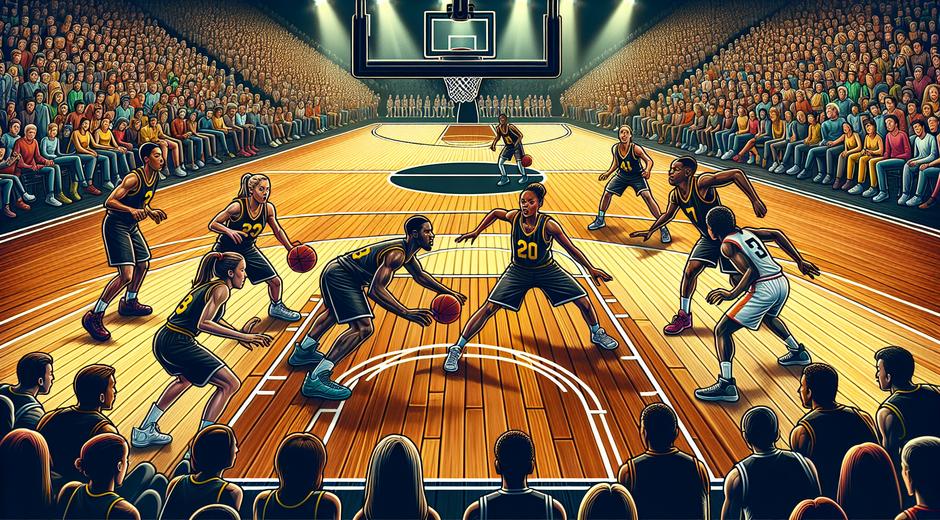
Basketball Choose corner threes and shots at the rim when available. Avoid contested midrange attempts unless they are within a player strength zone. Early shot clock drives can be productive but if the defense is set a kick out for an open shot is higher value.
Soccer Consider distance and angle. A close shot with a clear lane to the goal beats a heavily angled attempt with multiple defenders. Passing for a better positioned teammate can increase expected goals far more than forcing an own attempt.
Tennis When on the offensive and a short ball arrives, a controlled aggressive shot often pays off. However going for a high risk tennis shot on an opposition second serve may give up a cheap point. Read your opponent during a match to choose when to press.
Cricket Batsmen should weigh the bowler type and field placement. Lofted shots where the protection in the deep is weak are high payoff. Conversely a risky aerial attempt to score quickly might be a poor choice early in the innings when building a foundation is more important.
Training methods to sharpen decision making
Improving shot selection requires deliberate practice that mimics game conditions. The following training methods help build instincts and speed up decision making.
- Scenario drills. Create practice situations that reproduce game pressure. For example simulate a late shot clock possession or an important service game in tennis. Make the decision the focus rather than pure execution.
- Constraints training. Limit options to force players to explore alternative solutions. In soccer restrict touches or create smaller goals to emphasize quality over quantity.
- Video analysis. Review game footage and annotate every choice. Identify where a player chose a low probability option and what alternatives existed. This builds recognition patterns.
- Decision time limits. In practice reduce decision time to mirror match pace. Speed of choice plus accuracy is essential for high level play.
- Feedback loops. Use coaches and teammates to give immediate feedback on choices. Reinforce good decisions even when they fail due to execution issues.
Using data and analytics to refine shot selection
Modern sports rely on data to provide objective evidence about which choices work. Collect simple metrics in practice and games. Track shot location, outcome, pressure level, and preceding actions. Over time patterns emerge that show which situations yield the most success for different types of attempts.
If you want a practical starting point, log your attempts for several matches and calculate the conversion rate for each shot type. Then prioritize training on the highest value shots and eliminate low return attempts. For teams seeking deeper analysis, collaborate with performance analysts to model expected outcomes based on location and defensive alignment.
Mental approaches to better in game choices
Even with perfect preparation, mental state influences choice quality. Use the following routines to keep decisions clear under stress.
- Pre shot routine. Develop a brief sequence that centers focus and reduces impulsivity.
- Simplify choices. In high pressure moments reduce options to two reliable plays and avoid complex improvisation unless it is your greatest strength.
- Trust preparation. Commit to choices practiced in training. Hesitation often leads to poor execution or turnovers.
- Reflect after plays. Use brief post possession reflection to reinforce good choices and correct mistakes.
Practical checklist for evaluating a shot in real time
Use this mental checklist during live play to speed up better choices.
- Is the attempt open or heavily contested
- Does it match my strengths right now
- Will it produce a positive outcome more often than not
- Can I create a better look with a few more actions
- Does the score or clock change the ideal risk reward balance
Resources and next steps
If you want ongoing articles and drills about decision making and performance across sports visit sportsoulpulse.com for sport specific guides and coaching plans. For related coverage on analytics and strategy in broader contexts check out this partner resource Politicxy.com which offers research oriented content that can inspire new ways to analyze choices.
Improving shot selection is a practical path to better performance. Work on situational awareness, practice decision making under pressure, and use data to refine instincts. Over time these changes compound and turn good players into great ones.
Start today by recording several practices or games and auditing your choices with the checklist above. Small consistent improvements in choice quality will deliver major gains on the scoreboard.