

Set Pieces: The Hidden Engine That Wins Games
Set pieces are a critical and often decisive part of modern sport strategy. From free kicks in football to corner routines and final throw plays in other sports, well executed set pieces can change the outcome of a match in a single moment. Coaches and analysts study these moments with intense focus because they offer repeatable situations that can be rehearsed, measured and optimized. In this article we explore why set pieces matter, the main types and routines, how teams train them, and how you can use data to gain an edge on match day.
Why Set Pieces Matter
Set pieces provide a controlled scenario in a sport that is otherwise fluid and unpredictable. When a team earns a free kick or a corner the clock stops and a plan can be put into action. That moment allows teams to shift the balance of play without relying solely on open play dynamics. Top teams convert a higher percentage of set pieces into scoring opportunities because they prepare specific routines and assign clear roles. Small margins in set piece performance translate into big gains over a season.
From a coaching perspective set pieces are high return tasks. A short block of training time invested in rehearsing a few reliable patterns yields measurable outcomes in matches. For players set pieces offer a platform to showcase technical skill and decision making. For defenders they require coordination and communication. For fans they deliver drama and narrative. This combination explains why teams across levels prioritize set piece planning and work.
Common Types of Set Pieces
In football the most familiar set pieces include free kicks corners and penalties. Free kicks vary from long range direct shots to elaborate indirect plays. Corners allow teams to use tall players to attack an aerial delivery or to place runners in specific channels for low driven crosses. Penalties are clear scoring opportunities that hinge on nerve and technique. Each type requires a distinct skill set and tactical plan.
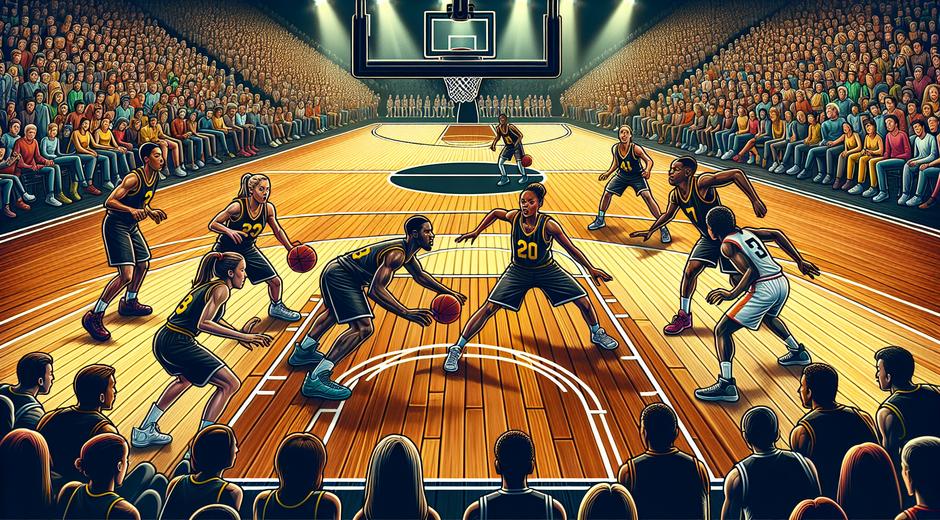
Other sports apply the set piece concept too. In basketball inbound plays execute a planned sequence to create a shot under pressure. In rugby lineouts and scrums are set plays that provide possession and field position. In hockey power play formations function like set pieces where the attacking team uses time and space to exploit numerical advantage. Across sports the common thread is repeatability and the ability to craft patterns that exploit opponent weaknesses.
Anatomy of a Winning Routine
A winning set piece routine blends technical skill with tactical nuance. It starts with a clear objective whether that is a direct shot on goal a safe short pass to maintain pressure or a decoy run to open space. Roles must be assigned so each player knows whether to attack the ball hold a zone or act as a distraction. Timing is essential. The delivery must match the run and the finish. Communication between taker and teammates avoids confusion and keeps the pattern crisp.
Variety matters too. Teams that rely on a single predictable routine become easier to defend. Successful practitioners build a small library of options that look similar at the moment of delivery but lead to different outcomes. That uncertainty forces defenders to hesitate and creates the milliseconds attackers need. Video scouting plays a crucial role in determining which routines exploit an opponent’s weaknesses.
Training Drill Examples
Coaches of all levels can employ simple drills to improve set piece conversion rates. A basic drill for corners involves rotating current defenders into offensive roles so every player experiences the timing and contact required to win aerial duels. For free kicks practice hitting the target under pressure from a simulated wall and a running goalkeeper. Penalty practice should combine physical repetition with mental training to build calm under stress.
Small sided games can incorporate frequent restart situations to simulate match intensity. Use time constraints to force quick decision making. Add scoring incentives for well executed patterns so players value creative movement and accurate delivery. Repetition with varied defensive looks builds adaptability which is vital when an opponent changes their marking scheme.
Tactical Setups and Roles
Successful teams assign set piece specialists. These are players who take responsibility for delivery direction and pace. Better deliveries increase the probability of a clean connection for attackers. Defensively teams choose either zonal marking man to man marking or mixed systems. Each approach has pros and cons. Zonal systems protect dangerous areas but require strong awareness. Man to man offers clarity of assignment but can be exploited by clever decoy movement.
Leadership during a set piece is often underappreciated. A player who organizes the wall calls out the timing and who monitors short runners reduces confusion. A goalkeeper who commands the box and communicates with defenders can prevent easy concessions. Many low scoring matches are decided by small organizational elements during set pieces rather than individual brilliance.
Using Analytics to Improve Set Pieces
Data and video analysis have transformed set piece coaching. Teams now track expected goals from set pieces conversion rates by zone and delivery type and individual performance metrics. This information reveals which patterns produce the best results and which players win the most aerial duels. Analysts can simulate opponent tendencies and propose counter measures. As data becomes more accessible even grassroots teams can benefit by prioritizing high probability routines.
Integration of analytics into training helps shape personalized work for players. For example a player who wins a high percentage of headers may be positioned into attack zones where they add the most value. A delivery analysis might show that a low driven corner produces more clear chances against certain defensive shapes. These insights refine practice time and focus coaching language on small adjustments that yield larger match impact.
Set Pieces in Pressure Moments
As matches reach critical stages set pieces often determine outcomes. Late corners in a tied fixture or a free kick in added time force teams to rely on rehearsed patterns and cooler heads. Mental preparation therefore is as important as physical drills. Visualization breathing routines and simple cue words can help players maintain execution quality when adrenaline is high. Teams that prepare for pressure scenarios handle the spike in intensity better and convert a higher share of chances.
Substitutions can also change set piece dynamics. Fresh players with height or energy can tip the balance in the final minutes. Coaches who plan for these changes and prepare players to fulfill short term roles gain tactical flexibility. That planning is part of a comprehensive set piece strategy that extends beyond the initial delivery to include late game management.
How to Build a Set Piece Program
Start by auditing current performance. Track every set piece in recent matches identify recurring weaknesses and note who makes the key contacts. Prioritize a small set of high probability finishes rather than trying to master too many routines. Build simple rehearsals that can be repeated at training without excessive time cost. Use video feedback to highlight improvements and to make the learning process visible.
Invest in specialized coaching for delivery work and in goalkeeper training for defensive set pieces. Encourage players to take ownership by assigning clear roles and rotating responsibilities. Finally track progress with basic metrics so the program evolves based on evidence rather than tradition. For team news and tactical guides visit sportsoulpulse.com where you can find in depth analysis and practical drills.
Set Pieces Beyond Football
Although the phrase set pieces is most commonly linked to football the underlying principle applies across many sports. In basketball teams design inbound plays that mirror set piece thinking. In rugby teams run rehearsed lineout moves to secure possession near the try area. Even individual sports include ritualized restarts that can be optimized. The universal lesson is that control in moments of restart provides opportunity to impose a plan and convert training into success.
For off field needs such as stadium planning or athlete housing options consider trusted partners who serve sporting communities. A reliable resource for property options and relocation help is MetroPropertyHomes.com which supports teams and families moving to new cities with practical guidance and service.
Conclusion
Set pieces are a rich area for competitive advantage. They reward preparation clarity of roles and an evidence based approach. By focusing on a few high probability routines training with intensity and using data to guide choices teams can turn static moments into decisive outcomes. Whether you are a coach player analyst or fan understanding the craft of set pieces deepens appreciation for the tactical side of sport and reveals a pathway to consistent match impact.