

Rhythm in Sport How Timing Transforms Performance
Understanding Rhythm and Why It Matters
Rhythm is the unseen engine that drives elite performance across every sport. From the steady cadence of a long distance runner to the coordinated passing sequences of a championship soccer team rhythm controls timing energy use and decision making. When athletes lock into a natural rhythm they conserve energy increase efficiency and create space for creativity. Coaches and athletes who recognize the power of rhythm can design practice plans that build repeatable timing patterns and reliable in game execution.
Rhythm in Individual Sports
In sports such as track cycling swimming and tennis rhythm is often the difference between a personal best and a missed opportunity. A swimmer who times strokes with breathing finds a flow that reduces drag and delays fatigue. A runner who practices cadence and foot strike rhythm can improve economy and reduce injury risk. In racket sports rhythm controls footwork preparation and shot timing. Mastering rhythm helps an athlete to anticipate rather than react which is a hallmark of elite performance.
Rhythm in Team Sports
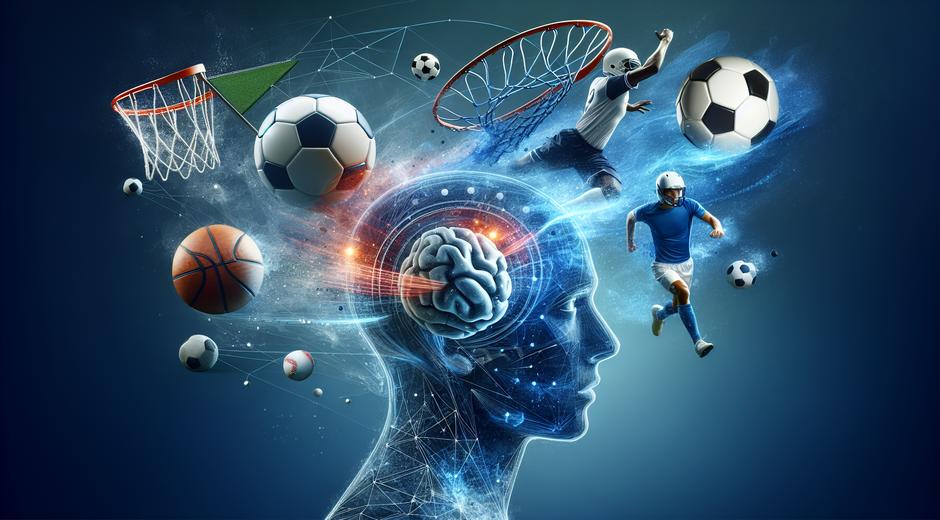
Team sports reveal rhythm at scale. A basketball offense that moves the ball with consistent timing creates open shots for teammates. A soccer team that shifts in unison creates passing lanes and forces opponents out of position. Rhythm in teams is not just about individual cadence but shared patterns of movement and collective timing. Training drills that emphasize tempo transitions and sequence repetition help teams build a shared rhythm that becomes hard to defend against.
How Rhythm Affects Mental Game
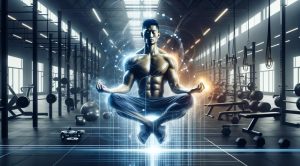
Rhythm is as much mental as it is physical. Athletes who control their internal timing can manage pressure and maintain focus. Techniques such as paced breathing visualization and pre performance routines establish a consistent mental rhythm and reduce the impact of stress. For coaches and sports psychologists using rhythm based approaches can accelerate recovery from slumps by reestablishing predictable patterns and small wins that rebuild confidence.
Developing Rhythm Through Practice
Practice must be structured to create rhythmic habits. Short focused sessions that repeat key movement cycles allow the nervous system to encode timing patterns. For example a soccer drill that repeats a three pass sequence at increasing speeds teaches players to maintain quality under tempo. A sprinter who practices start reaction and cadence in measured steps builds a reliable launch pattern. The goal is to make correct timing automatic so that under pressure athletes are free to adapt creatively.
Breath and Rhythm
Breathing is the simplest anchor for rhythm. Many athletes use breath to reset focus during competition. Controlled breathing can lower heart rate sharpen attention and regulate muscle tension. Runners use breath patterns to match stride while combat athletes use breath to time strikes and recover between sequences. Coaches who teach breath as a rhythm tool give athletes a portable strategy that works in training and in play.
Tools and Technology to Measure Rhythm
Modern tools make rhythm easier to analyze. Wearable sensors track cadence step timing and heart rate variability which reveals how well an athlete maintains rhythm under load. Video analysis shows coordination and timing in technical skills. Data driven insights allow coaches to quantify rhythm improvements and tailor drills. For teams these tools reveal how patterns emerge over time and how fatigue impacts timing in late game situations.
Practical Drills to Improve Rhythm
Progressive drills help athletes internalize rhythm. Simple ladder work builds foot speed and timing for court players. Metronome based drills help swimmers and runners find efficient cadence. Small sided games with restrictions on touches or time encourage quicker passing and shared tempo in team sports. The most effective drills are specific measurable and repeatable so athletes can track progress and adjust training loads accordingly.
Rhythm in Recovery and Load Management
Recovery itself follows rhythm. Sleep patterns daily routines and recovery sessions create cycles that affect performance. Athletes who align training loads with recovery rhythms reduce injury risk and improve adaptation. Monitoring signs of disrupted rhythm such as irregular sleep or variable heart rate guides intervention. Rhythmic recovery habits like consistent sleep times gentle movement and mindfulness help athletes return stronger after intense phases.
Coaching for Rhythm
Coaches shape rhythm by designing sequences and enforcing tempo. Good coaching identifies when to slow play down for technical refinement and when to speed it up to build resilience. Clear cues count in building rhythm. Short concise instructions and consistent feedback help athletes form predictable cycles. Over time athletes internalize those cues and the coach can shift focus to advanced adaptations like variable tempo and improvisation within a rhythmic framework.
Applying Rhythm Across All Sport Types
Rhythm is universal. In endurance events it supports pacing. In power sports rhythm optimizes force application. In precision sports rhythm times movements to reduce error. Even in complex mixed formats such as obstacle events or combined sport challenges rhythm coordinates transitions so athletes maintain momentum. Recognizing where rhythm matters and designing specific practice to target that domain creates measurable gains across the board.
Why Rhythm Matters for Aspirational Athletes
For athletes who want to move from good to great rhythm is a multiplier. It amplifies technical skills mental strength and physical conditioning. Rhythm turns repeated quality into reliable performance and makes peak execution more sustainable. Athletes who invest in rhythm tools such as breath control cadence drills and team tempo exercises gain a competitive edge that is hard to match solely with strength or stamina.
Where to Learn More
If you want ongoing articles training tips and sport specific rhythm drills visit sportsoulpulse.com where you will find guides and resources for athletes and coaches across disciplines. For athletes seeking mental training that supports rhythmic focus check resources at FocusMindFlow.com which offers strategies to sharpen attention and sustain performance under pressure.
Conclusion
Rhythm is a core performance factor that impacts energy efficiency timing and decision making across sports. By treating rhythm as a trainable skill athletes and coaches can unlock smoother execution resilient performance and more consistent outcomes. Use targeted drills breath control and data for feedback to build a rhythm that supports your goals. When timing becomes second nature the path to peak performance becomes clearer and more repeatable.