

Reaction Time What It Means For Every Athlete
Reaction time is one of the most important performance factors across all sports. Whether you are a sprinter waiting for a starting cue a goalkeeper tracking a penalty or a point guard driving to the rim the speed at which you detect a stimulus process it and respond can decide the outcome of a game. This article explains what reaction time is why it matters and how athletes and coaches can measure test and train to gain real world improvements.
What Is Reaction Time
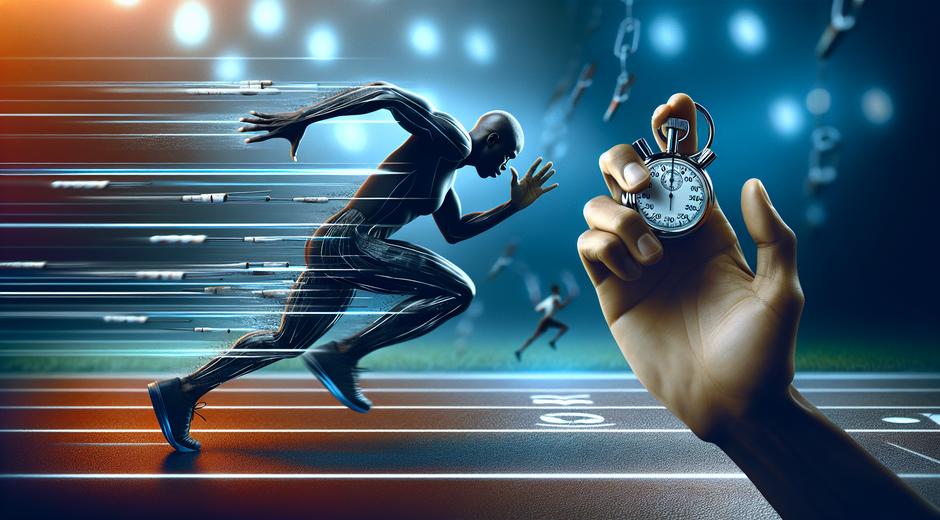
Reaction time refers to the interval between the arrival of a sensory cue and the initiation of a motor response. In sport contexts this may be the time from seeing a ball leaving an opponent foot to starting a dive the interval from a starter pistol sound to first movement or the gap between a visual change on a screen and the press of a button. Reaction time is a composite skill that depends on sensory detection decision making and neuromuscular coordination.
Why Reaction Time Matters In Sport
Fast reaction time gives athletes more time to execute technical skills and tactical choices. In close contests milliseconds can separate success from failure. For example in racket sports quicker reaction time allows earlier racket positioning which yields cleaner contact and more control. In combat sport a faster response allows better defense and counterattack. In team sport a player with quicker reaction time can intercept passes and make decisive plays that change momentum.
Types Of Reaction Time
There are several ways to classify reaction time depending on the sensory cue and the complexity of the required response. Simple reaction time involves a single known stimulus and a predetermined response such as pressing a button after a light appears. Choice reaction time requires choosing between several possible responses for different stimuli for example moving left if a light appears on one side and right if it appears on the other. Recognition reaction time sits between these two and denotes the ability to detect relevant stimuli among distractors.
How To Measure Reaction Time
Measuring reaction time can be simple or advanced depending on the level of precision required. Basic field tests include drop the ruler where a partner releases a ruler and you catch it as soon as it moves. More accurate tests use dedicated hardware or apps that present visual or auditory cues and record the latency to respond. High end systems use motion capture or force plate data to measure the onset of muscle activation and movement velocity.
For coaches and athletes who want practical testing with sport specific transfer consider sport adapted drills where the cue and response mimic competition situations. For example a goalkeeper may use a ball on a shooting machine to simulate shots from various angles. The key is consistent protocols so results can be compared across time and training phases.
Training Strategies To Improve Reaction Time
Improving reaction time requires a blend of sensory training neurological conditioning and movement skill work. The following strategies are evidence based and easy to implement within a weekly plan.
Perceptual training Visual drills that enhance contrast sensitivity tracking and anticipatory skills are crucial. Use drills where athletes watch opponent patterns and predict outcomes. Video based occlusion drills that hide sections of motion force the athlete to rely on minimal cues and can greatly improve anticipatory skill.
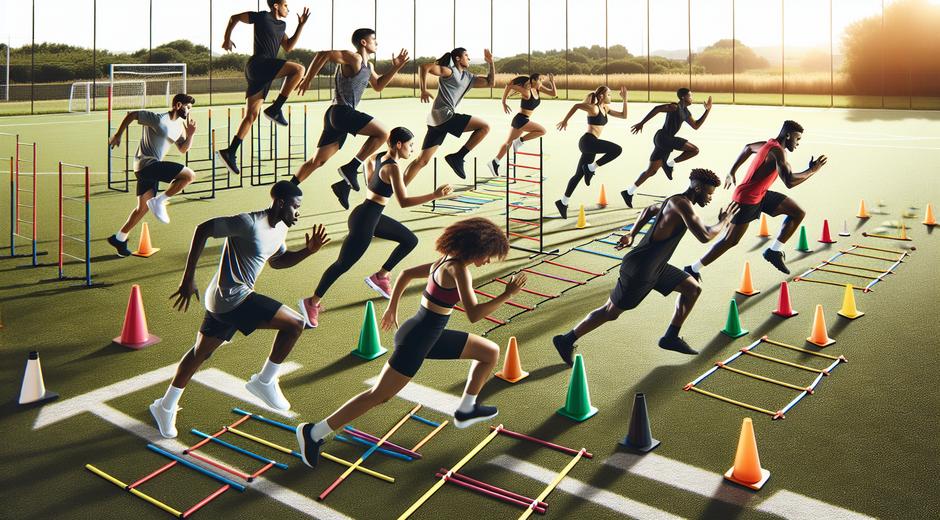
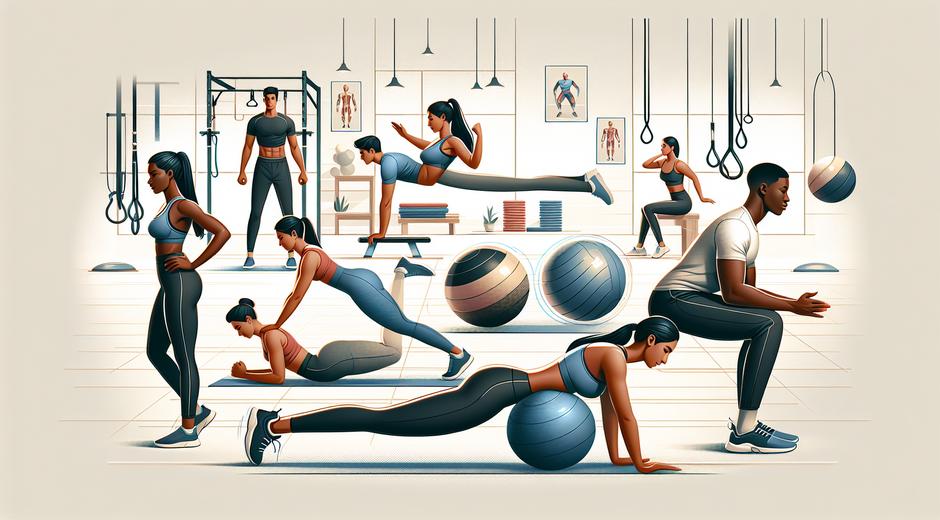
Neuromuscular training Short burst strength work plyometric drills and quickness ladders build the capacity to produce force fast. Fast is not only a function of muscle power but of how quickly the nervous system can recruit muscle fibers. Exercises that focus on rapid contraction and quick change of direction enhance the link between decision and movement.
Choice drills Include decision making within technical practice. For example a passer who must react to a defender movement before deciding to pass or drive gets both cognitive and motor challenge. Small sided games increase decision density and can produce transfer to match situations.
Reaction specific drills Simple reaction tasks can be made more sports relevant by adding sport equipment pressure and variability. Using lights or sound cues that mimic opponent actions and then responding with a sport specific movement will help bridge the gap between lab measures and match performance. Many athletes also benefit from dedicated apps and devices designed to train reaction time and measure progress. A good source for advanced training tools and guided programs can be found at Zoopora.com which offers targeted tools for athletes and coaches.
Nutrition Sleep And Recovery For Faster Reaction Time
Reaction time is not only about drills. The brain and nervous system need optimal fuel rest and recovery. Caffeine can temporarily boost alertness and speed but use it wisely to avoid sleep disruption. Hydration and steady blood glucose help maintain focus during long training sessions. Sleep is indispensable. Slow wave sleep and REM sleep support motor learning memory consolidation and waking alertness which all contribute to reduced reaction time. Monitor training load and ensure recovery days allow the nervous system to reset.
Role Of Age Experience And Genetics
Baseline reaction time varies with age with peaks typically in the mid twenties but skill and experience can compensate for small declines. Older athletes who have superior anticipation pattern recognition and refined technique can outperform younger rivals in many situations. Genetics set limits but the majority of athletes have room to improve through targeted practice. Focus on the controllable elements such as perceptual training technical skill and conditioning.
Technology And Tools For Reaction Time Training
Modern devices provide precise feedback and make training engaging. Reaction lights sensors and specialized apps measure latency and provide progressive difficulty. Virtual reality systems can create immersive stimuli that simulate match stress and unpredictability which helps with transfer to competition. Wearable sensors and simple smartphone apps offer accessible options for daily practice and objective tracking. For readers seeking a reliable set of tools and training plans the site sportsoulpulse.com has curated guides and reviews to help you choose the best approach for your sport and budget.
How To Track Progress
Set clear measurable goals and retest regularly under the same conditions. Use both general reaction time tests and sport specific measures. Track trends rather than single test results and account for factors such as fatigue time of day and caffeine intake that influence scores. Use video analysis to confirm that faster reaction time is producing better tactical outcomes and not only faster but less accurate movements.
Common Mistakes To Avoid
One common error is training pure speed without improving decision accuracy. Faster responses are not useful if they are wrong. Combine speed and precision exercises and progress difficulty only when accuracy is consistent. Another mistake is neglecting recovery. Overloaded nervous systems respond slower even after weeks of training. Finally avoid generic tablet based drills only. Include sport specific unpredictability to ensure progress transfers to games.
Putting It Together A Sample Weekly Plan
A balanced weekly plan for reaction time could include two focused perceptual sessions two neuromuscular sessions and regular sport practice that integrates decision making. Keep sessions short and intense and follow them with recovery. Adjust volume based on competition schedule and individual needs. Track performance weekly and adjust difficulty to maintain a high challenge to skill ratio.
Conclusion
Reaction time is a trainable attribute that matters in every sport. By combining perceptual training neuromuscular work sport specific drills recovery strategies and the right technology athletes can make meaningful gains. Use consistent testing to measure progress and ensure training transfers to match performance. For sport specific articles tools and training guides visit sportsoulpulse.com and explore content that helps you turn faster reactions into better results on game day.