

Pressure Execution: How Elite Athletes Deliver When It Matters Most
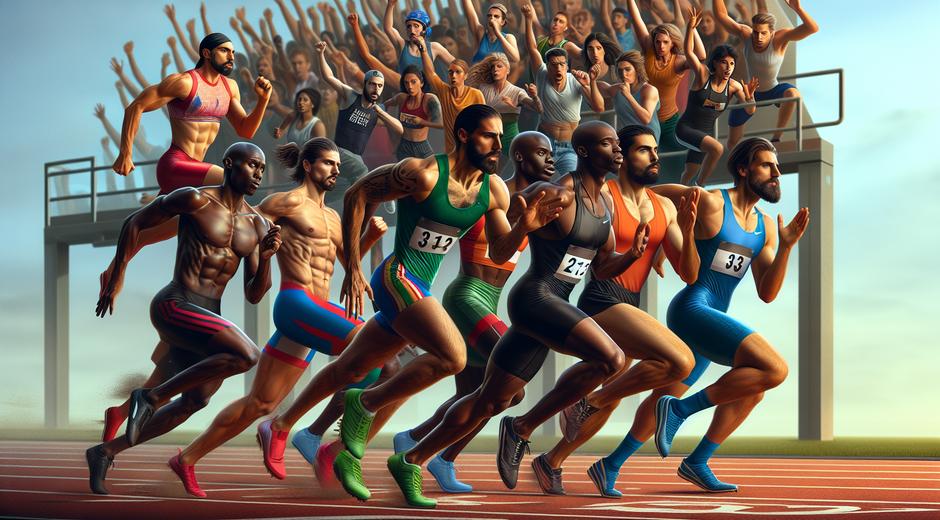
Pressure Execution is the difference between a routine win and a legendary moment in sport. Coaches praise it. Fans crave it. Scouts seek it. Yet it remains one of the most elusive abilities to teach and measure. In this article we examine what Pressure Execution really means across sports, why it matters more than raw talent, and how athletes and teams can train their minds and bodies to perform consistently under heat.
What Pressure Execution Means in Sport
Pressure Execution describes an athlete ability to complete a skill set or strategic plan successfully in situations where stakes are high. Those stakes can be final minutes in a match, a playoff series, a sudden death play, or any moment where expectation stress and consequence rise. Pressure Execution is not simply about physical capability. It is the fusion of technical mastery tactical clarity and emotional control so that decision making remains sharp when the clock counts down.
Why Pressure Execution Beats Raw Talent
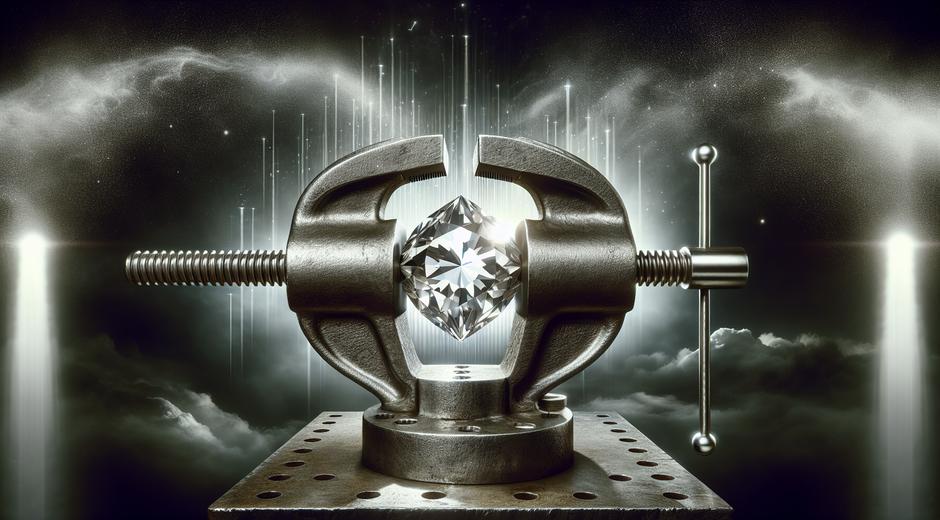
Many athletes possess exceptional physical gifts. Yet without the capacity for Pressure Execution those gifts can fall short where it matters most. Talent often carries a player through routine competition. But tournaments matches and championship moments demand more. Pressure creates cognitive load. When an athlete cannot manage that load errors increase. Teams that win consistently under pressure develop systems and habits that reduce errors and increase reliable outcomes.
The Mental Components of Pressure Execution
Pressure Execution is rooted in several mental skills. Awareness of these skills makes training more precise.
- Focus management. Athletes must learn to direct attention to the most relevant cues instead of getting trapped in anxious thoughts.
- Routine use. Pre action sequences create a mental anchor that slows thought and primes the body for execution.
- Breathing and arousal control. Tactical breathing reduces physiological spike and keeps fine motor control intact.
- Confidence built from preparation. Repeated exposure to high pressure scenarios in training builds trust in execution.
Training Methods to Improve Pressure Execution
Improving Pressure Execution requires deliberate practice that mirrors the core characteristics of game pressure. The following training methods have proven value across many sport contexts.
Simulated pressure scenarios. Create practice sessions that replicate time constraints crowd sound and point impact. For example, add consequences to mistakes or reward successful outcomes to make practice emotionally salient.
Segmented practice. Break down complex tasks into reliable subskills then recombine them under stress so that the whole sequence becomes more automatic.
Routine development. Help players craft concise pre action routines that cue the body and quiet the mind. This could be a breathing pattern a visual focus or a physical sequence that signals readiness.
Small sided game play. Reduce the number of players or space so that decision making occurs faster and under greater pressure. This condition accelerates learning and improves transfer to match conditions.
Coaching Strategies That Foster Pressure Execution
Coaches play a pivotal role in cultivating Pressure Execution. A coach can engineer the practice environment set expectations and provide feedback that accelerates growth.
Design pressure progressive sessions. Start with low pressure repetitions then gradually increase intensity by adding time constraints or scoring stakes. This progression helps athletes adapt without being overwhelmed.
Use process focused feedback. Praise the controllable elements of execution like positioning timing and decision making instead of outcomes which can be influenced by luck.
Create a culture of measured risk taking. Players who fear failure will freeze when moments matter. Coaches should normalize attempts and frame errors as learning data in order to encourage decisive action.
Routine Examples That Improve Performance
Here are practical routine examples that athletes across sports can adopt and adapt for better Pressure Execution.
- Breathing box. Four second inhale hold for two seconds four second exhale. Repeat twice before key plays to lower heart rate.
- Focus anchor. Choose one specific visual cue on the field or court to fix attention and avoid drifting into outcome thinking.
- Micro rehearsal. In the minutes before a decisive action mentally run through the exact movements and sensory details so the mind primes the motor system.
- Reset cue. After a mistake use a single physical movement such as clapping hands or a deep breath to signal a fresh start.
Measuring Pressure Execution
Quantifying Pressure Execution can guide training priorities. Use metrics that reflect performance under stress rather than only raw ability.
Clutch conversion rate. Track conversion of key plays in high pressure windows relative to standard play. This reveals who executes well when stakes rise.
Decision time. Measure how long it takes for athletes to decide in pressured drills. Faster quality decisions often correlate with superior Pressure Execution.
Consistency score. Calculate variation in execution across repeated pressure trials. Lower variation means more reliable performance.
Case Studies From Multiple Sport Realms
Examples help translate concept to action.
In basketball a player who sinks free throws in the final seconds repeatedly demonstrates Pressure Execution. Teams replicate those moments in practice with simulated crowd noise and score based consequences to build that skill.
In soccer a goalkeeper who saves penalty kicks in shootouts shows Pressure Execution by balancing anticipation decision and physical technique under intense scrutiny. Training involves repetitive penalty facing with time pressure to train the reflexes and mental approach.
In tennis Pressure Execution appears when athletes serve for a title set. Rehearsed serve routines and breathing keep motion fluid and aggressive rather than tentative.
Technology Tools That Aid Pressure Execution Training
Modern training can use technology to improve transfer from practice to match day.
Video playback helps athletes study their behavior under pressure to identify patterns of distraction or premature changes in mechanics. Wearable sensors measure heart rate and movement variability during pressure drills so coaches can correlate physiological state and performance.
Virtual reality training can safely expose athletes to crowd and noise without travel which accelerates mental adaptation to pressure conditions.
Team Systems That Support Pressure Execution
While individual skill matters team systems create contexts that reduce unnecessary pressure and distribute responsibility.
Clear roles reduce cognitive load. If each player knows the exact set of tasks in a late game scenario they can focus on execution instead of wondering who should do what.
Time management strategies. Coaches can slow game pace at key moments or call for structured plays that simplify decision making and improve the odds of successful Pressure Execution.
Final Thoughts and Next Steps
Pressure Execution is trainable. It is the result of purposeful practice environment design mental skill training and culture building. Coaches athletes and support staff who prioritize this capacity gain a competitive edge because they create repeatable outcomes where others produce inconsistent results.
If you want deeper guides and drills tailored to specific sports you can find further resources and regular updates at sportsoulpulse.com where practical articles connect sport science and coaching practice. For video breakdowns of elite level executions and cinematic presentation of clutch moments visit Moviefil.com to study visual examples that inspire and instruct.
Pressure Execution is not a mystery reserved for a few chosen names. It is a skillset that can be developed with intention persistence and the right training design. Start small add realistic pressure to practice and measure progress. Over time the moments that once triggered fear will become opportunities to shine.