

Pre Game Rituals That Boost Performance and Confidence
Every athlete knows that the moments before competition feel different from any other time. Those minutes can set the tone for performance and influence how the body and mind respond under pressure. Pre game rituals are the backbone of that preparation. They combine physical readiness with mental focus and create a reliable pathway into peak performance. Whether you play team sport or an individual discipline pre game rituals help athletes reduce anxiety sharpen concentration and increase consistency.
Why Pre Game Rituals Matter
Sports science shows that predictable routines reduce physiological stress and free up cognitive resources for task execution. When an athlete follows a familiar sequence of behaviors muscle tension often normalizes heart rate becomes steadier and decisions feel more automatic. Pre game rituals build procedural memory which means actions become less reliant on conscious control. This shift is essential during high pressure moments when overthinking can degrade skill execution.
Beyond physiology rituals also carry psychological benefits. They signal to the brain that preparation is complete and competition time has arrived. That signal can increase confidence and create a local sense of safety within the chaos of a stadium or court. Teams use shared rituals to reinforce cohesion and create a competitive identity. Individuals use personal rituals to trigger focus and a winning mindset.
Common Types of Pre Game Rituals
Pre game rituals fall into several categories. Understanding each type helps athletes craft a routine that suits their sport personality and time constraints.
Physical warm up
These rituals include sport specific drills mobility exercises dynamic movements and light skill repetitions. The goal is to raise core temperature activate relevant muscle groups and refine movement patterns. A good physical warm up reduces injury risk and ensures the body is ready to perform at high intensity.
Mental visualization
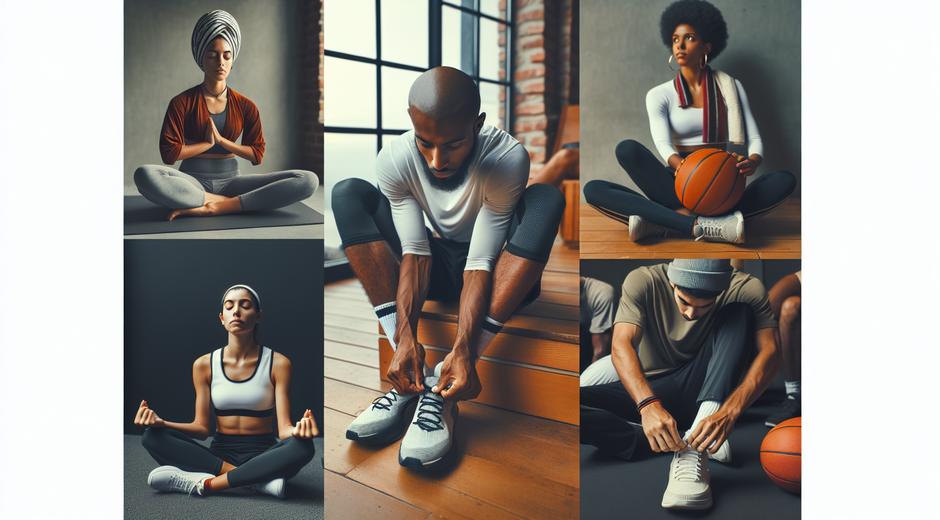
Visualization involves rehearsing key scenarios sensory details and successful execution. Athletes imagine the feel of movement the sounds of the environment and the desired outcome. Visualization primes neural circuits responsible for movement and decision making which can accelerate skill retrieval during the event.
Breath control and conditioning of arousal
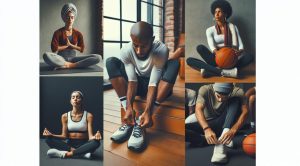
Controlled breathing and brief breath holds regulate heart rate and calm nerves. Techniques such as box breathing or slow diaphragmatic breaths work well in the minutes before competition. These methods lower adrenaline when it is counterproductive and maintain alertness when calm focus is required.
Music and auditory cues
Many athletes use curated playlists to reach a desired mental state. Up tempo music can increase energy and motivation while mellow tracks can help sustain calm focus. Music also serves as a consistent cue that signals the transition into competitive mode.
Superstitions and personal objects
Objects such as a lucky bracelet a chewing piece of gum or even a ritual of tying a lace have no direct physiological effect. Yet they often provide a perception of control. When paired with solid preparation these rituals can reinforce confidence and reduce pre competition worry.
Team rituals
Team based pre game rituals include huddles chants group stretches and synchronized movements. These practices sharpen collective focus increase trust and create a shared atmosphere that can intimidate opponents. Consistency in team rituals also helps calm individual players because they know their teammates are aligned.
Designing Your Own Pre Game Ritual
Not every ritual works for every athlete. Designing a personalized pre game ritual means testing elements consistently and measuring their effect on performance and mental state. Use these steps to construct an effective routine.
1 Observe and record
Track how different actions influence your energy stress and focus during practice and lower stakes competitions. Keep a journal that notes what you did how you felt and how you performed.
2 Choose core elements
Pick three to five reliable actions that address both body and mind. For example a short mobility routine three visualization scenarios and a two minute breathing practice make a simple powerful sequence.
3 Sequence and timing
Decide the order of your actions and the time each will take. A sensible flow might move from physical warm up to breath control to visualization and then a brief arousal boost through music or high intensity drill. Make sure the total time fits within the reality of your pre game window.
4 Repeat and refine
Apply the ritual consistently in practice and in warm ups to build procedural memory. Adjust individual steps based on feedback and performance outcomes. The most effective rituals are both stable and flexible.
Sport Specific Examples
Adapting pre game rituals to the demands of your sport makes them more effective.
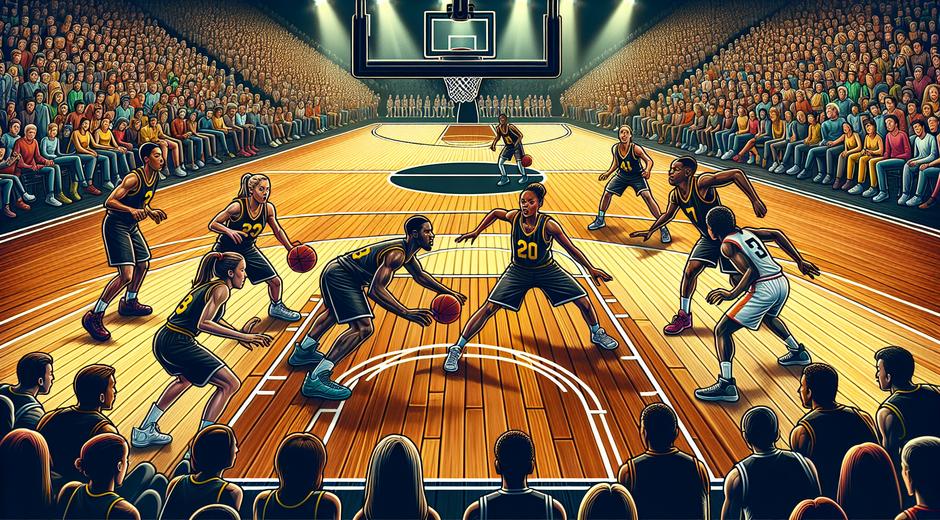
In soccer a player might begin with dynamic mobility exercises then progress to passing patterns followed by visualization of set pieces and a team chant. A tennis player could use light footwork drills ball toss practice a short breathing sequence and a visualization of serve placement. In basketball a warm up might include shooting from varied distances followed by defensive slides and a group huddle to reinforce roles.
Even within a sport athletes vary by position skill set and personality so personalization remains essential.
Common Mistakes to Avoid
Rituals can become crutches when they are not grounded in preparation or when they are too rigid. Avoid these pitfalls.
Over reliance on superstition
Rituals that ignore fundamentals create a false sense of security. Always pair rituals with purposeful practice and skill work.
Poor time management
If a ritual takes longer than available pre game time it becomes a source of stress. Keep rituals compact and realistic.
Excessive variation
Changing rituals frequently prevents the brain from building reliable procedural memory. Test changes deliberately and keep core elements stable.
Measuring the Impact of Your Ritual
To know if your pre game rituals are working record objective and subjective data. Objective measures include performance metrics such as accuracy speed or completion rates. Subjective data involve your perceived readiness confidence and stress level. Use a simple scale to rate readiness before each event and compare scores over time. If performance improves and perceived readiness increases your ritual is likely effective. If not experiment with small adjustments and retest.
How Coaches and Support Staff Can Help
Coaches play a key role in shaping effective pre game rituals for teams. They can structure shared sequences that align with tactical aims and ensure rituals are practiced under realistic conditions. Sports psychologists and performance coaches can teach visualization breath control and arousal management techniques that athletes can integrate into their rituals.
For teams and individual athletes looking for science backed guidance and actionable templates visit sportsoulpulse.com where you can find articles drills and tools to refine your pre game rituals and maximize readiness.
Putting It All Together
Pre game rituals are more than routine. They connect practice to performance provide a mental anchor and create consistency under pressure. A well crafted ritual includes body and mind work is practiced frequently and evolves through measured adjustments. Whether you are an elite athlete a weekend player or a coach guiding a youth squad the time invested in refining pre game rituals pays dividends in confidence resilience and competitive consistency.
To access additional templates and sample routines tailored to different sports and positions check this partner resource SportSoulPulse.com and start building rituals that turn preparation into advantage.
Final Thoughts
A strong pre game ritual is accessible to any athlete. It does not require elaborate equipment or complex procedures. What matters is intention consistency and alignment with the demands of your sport. Start small test what works and let your ritual grow along with your skills. In time those few minutes before competition will become a powerful routine that helps you perform at your best.