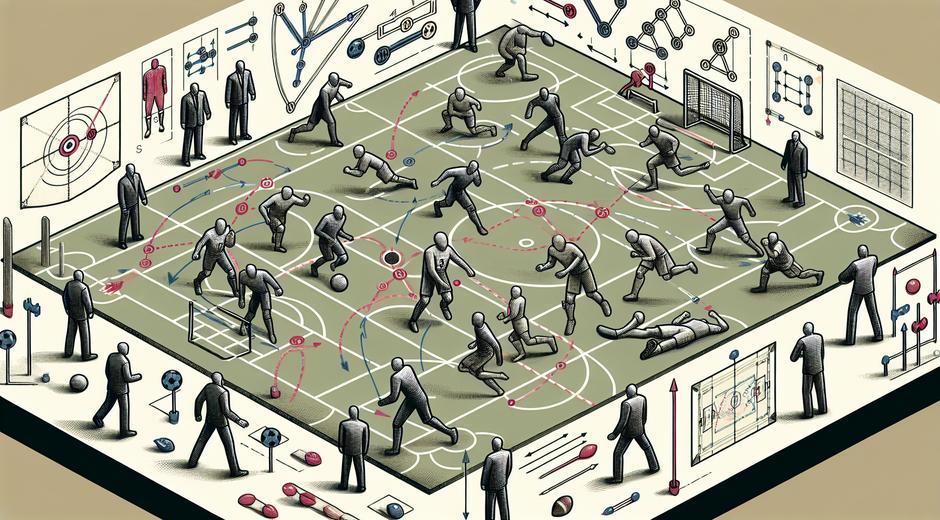


Offensive Schemes A Complete Guide for Coaches and Fans
Offensive schemes shape how teams attack space score points and control tempo across every sport. From gridiron tactics to basketball motion systems from soccer possession plans to hockey zone entries a strong grasp of offensive schemes allows coaches players and analysts to craft game plans that exploit opponent weaknesses. This guide dives into the core ideas behind effective offensive schemes and offers practical steps to design and implement plans that fit your roster and philosophy. For a wider range of articles and resources on tactics and training visit sportsoulpulse.com for more insights and guides.
What Are Offensive Schemes and Why They Matter
Offensive schemes refer to the organized approach a team uses to create scoring chances. They include play selection player roles spacing timing sequencing and adjustments based on opponent behavior. A clear offensive scheme brings several benefits. It reduces decision time for players it creates predictable success patterns it enhances team cohesion and it provides a framework for in game adjustments. Teams without a coherent offensive scheme often rely on individual talent to win games which can fail when facing disciplined defenses.
Core Principles of Successful Offensive Schemes
While details change across sports several core principles remain true for every effective offensive scheme.
Space Control Make sure your scheme creates space for the ball carrier or shooter. Whether that space comes from quick ball movement off ball screening or coordinated runs the aim is to force defenders out of position.
Timing Offensive schemes thrive on good timing. Players must move pass and shoot in sync. Timing creates momentum and prevents defenses from recovering.
Role Clarity Each player should understand their primary responsibilities within each phase of the offense. Role clarity reduces errors and allows players to perform instinctively under pressure.
Adaptability Successful schemes include simple triggers for changing strategy. Adjustments can be as small as altering pace or as large as switching to a different formation when opponents reveal a weakness.
Variability A versatile offensive scheme mixes predictable elements with surprise actions. Combining set plays with improvisational options keeps defenses guessing.
Common Offensive Schemes by Sport
Different sports require different building blocks but many ideas carry over.
Football In American football offensive schemes range from power run focus to spread passing systems. The spread scheme emphasizes wide formations quick passes and read based quarterback decision making. The west coast concept values short timed passes to replace runs and create yards after catch. A balanced scheme blends run and pass threats to keep defenses honest.
Basketball Motion offense is built on constant player movement cutting and screening to create open shots. Triangle offense centers on spacing and three player action to generate scoring options. Pick and roll schemes use coordinated screens to free the ball handler or create mismatches for the screener.
Soccer In soccer possession based schemes seek to dominate the ball and build attacks from the back. Counterattack schemes prioritize quick transitions exploiting spaces left by aggressive opponents. Width usage and overlapping runs are key methods for creating crossing and finishing chances.
Hockey Zone entry schemes aim to carry the puck into the offensive zone with control. Cycling and net front presence are common tactics to open lanes for shots and rebounds. Quick puck movement and support in the high slot can break down compact defenses.
Designing Your Own Offensive Scheme
Designing a scheme starts with an honest assessment of your personnel. Consider strengths and weaknesses of key players then build systems that magnify strengths and hide gaps. Use these steps as a starting checklist.
Evaluate your roster Identify your best shot creators playmakers and finishers. Know who can handle pressure who excels in transition and who performs well in half court situations.
Define a core concept Pick a central theme such as tempo control ball movement or physical attack. This theme should guide all drills drills and phases of play.
Create a small set of reliable plays or sequences Master three to five primary actions that your team can execute under pressure. These should be simple repeatable and adaptable.
Practice triggers Teach your players situational cues that trigger secondary options. For example when a defensive unit overloads one side switch to a quick counter or when a close defender leaves the zone run to the gap.
Test in competition Measure performance not just by final scores but by key metrics like shot quality possession retention or yards per play. Use data to refine alignment and timing.
Advanced Tactics and Analytics
Modern offensive schemes are increasingly driven by data. Shot charts expected value models and opponent tendencies database analysis help craft high percentage strategies. Analytics can identify which actions produce the most value per possession and suggest personnel match ups most likely to succeed.
Video study paired with statistical trends can reveal subtle tendencies in opponent defenses that are exploitable. Coaches can then design set plays that specifically attack those tendencies.
Player tracking technology provides rich insight into movement patterns and spacing. Using that data to tweak spacing and timing can lead to measurable improvements in scoring efficiency.
Implementing Schemes in Practice
Transitioning from theory to game speed requires disciplined practice structure. Start slow and add complexity as the team internalizes patterns.
Drill with purpose Every drill should emphasize one component of the scheme. Repetition with feedback builds muscle memory and reduces decision time in competition.
Simulate pressure Use small sided games and time constrained scenarios to recreate the stress of competition. Teaching players to perform the scheme under duress is essential.
Communicate clearly Coaches must use simple language and consistent cues. Confusion in language leads to hesitation which gives opponents an edge.
Measuring Success and Making Adjustments
Track both outcome metrics like scoring rate and process metrics like pass completion or entry success rate. When a scheme underperforms break the problem into parts. Is the issue spacing timing individual execution or opponent counter tactics? Fixes vary from pinpointing technique issues to redesigning the scheme to better match personnel.
Regular review sessions with video and data allow quick identification of recurring issues. Use those sessions to reinforce positive actions and correct mistakes with targeted practice.
Psychology and Culture of Offensive Play
Confidence and belief in the scheme can be as important as tactics. Encourage a culture that values collective execution and shared responsibility. When players trust each other and understand that mistakes are part of growth they are more likely to take calculated risks that produce high value plays.
Leadership from veteran players helps younger athletes internalize the scheme faster. Create leadership roles that emphasize communication and on field problem solving.
Case Studies and Real World Examples
Study successful teams to see how they apply offensive schemes. Great teams do not rely on tricks alone. They master fundamentals of spacing timing and role clarity then add creative elements. For deeper business and leadership perspectives that can inform team building and strategy visit BusinessForumHub.com where managers and coaches share best practices that translate to high performing squads.
Final Thoughts
Offensive schemes are the backbone of sustained success. Whether you are coaching youth teams or analyzing professional play the same core ideas apply. Focus on space timing role clarity variability and adaptability. Use data to refine decisions and structure practice so that theory becomes instinct. The best schemes are clear simple and repeatable while offering enough flexibility to evolve as opponents adapt. With a deliberate approach you can design offensive schemes that maximize your talent create consistent scoring opportunities and elevate team performance.