

Neuromuscular Control: The Key to Athletic Performance and Injury Prevention
Neuromuscular Control is a core concept for athletes at every level. It describes the ability of the nervous system to coordinate muscle activation in order to produce smooth and efficient movement. For coaches therapists and athletes who want to improve speed stability and resilience the focus on Neuromuscular Control can transform training outcomes. This article explains what Neuromuscular Control is why it matters and how to design practical training strategies that translate to better sport performance and fewer injuries.
What Is Neuromuscular Control and Why It Matters
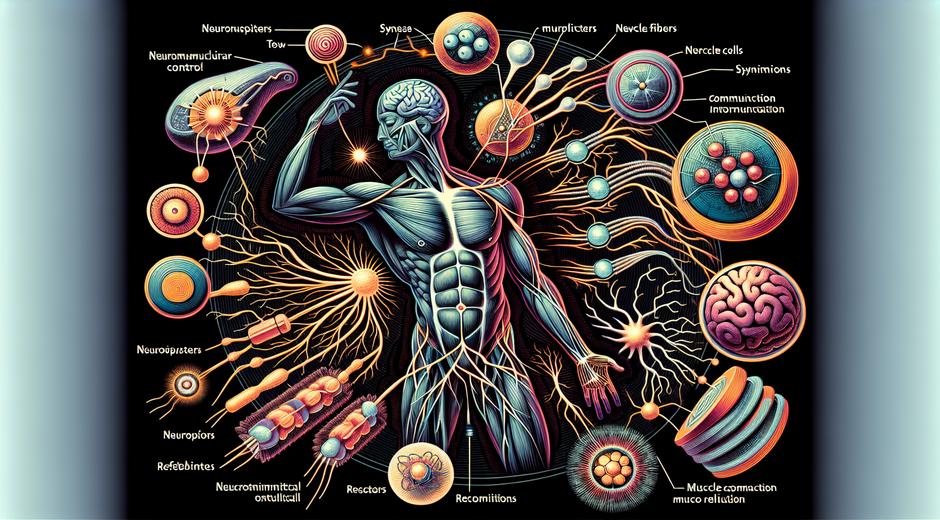
Neuromuscular Control refers to the interplay between the brain spinal cord peripheral nerves and the muscles they activate. When this system functions well movement is precise and reactive. When it is impaired movements become inefficient and risk for injury rises. Athletes rely on Neuromuscular Control to manage joint position to absorb force and to change direction rapidly. Even small improvements in this control can lead to better technique faster reaction to perturbations and improved energy economy.
Core Components of Neuromuscular Control
There are several interlocking components that determine the quality of Neuromuscular Control. Proprioception is the sense of joint and limb position. Motor planning refers to the brain processes that prepare a sequence of muscle activations. Muscle timing is the sequence and speed with which muscles turn on and off. Strength and power determine the capacity to execute planned movement. Finally reflex responses allow the body to react quickly to unexpected changes in load or position. Effective training targets all of these elements.
Assessment and Testing Strategies
Before building a training program it helps to assess current Neuromuscular Control. Simple tests can reveal meaningful deficits. Single leg balance time timed hop tests and drop landing observations show how well an athlete manages load and alignment. Video analysis can identify faulty knee hip or ankle mechanics. More advanced assessment tools include force plates balance platforms and motion capture. For many teams a combination of simple field tests and focused observation is enough to set priorities.
Training Principles to Improve Neuromuscular Control
Effective training follows a clear progression. Start with low intensity tasks that teach correct alignment and body awareness. Progress to faster dynamic drills that demand quick adjustments. Include sport specific tasks that mimic the movement demands of competition. Key principles include consistency variability and feedback. Use frequent short sessions rather than occasional long sessions. Add variability so the nervous system learns to adapt. Provide immediate objective feedback so the athlete can self correct.
Sample Exercise Progression
A practical progression might begin with static balance tasks such as single leg stance with eyes open then eyes closed. Advance to dynamic balance such as single leg forward reach and controlled step down sequences. Next add plyometric drills with emphasis on landing mechanics such as soft knees and neutral hip alignment. Finish with sport specific change of direction drills that include reactive elements like a coach cue or visual stimulus. Each stage reinforces the timing and coordination that underlie Neuromuscular Control.
Integrating Neuromuscular Control Into Strength Work
Strength training and Neuromuscular Control training work together. Strength creates capacity while Neuromuscular Control ensures the body uses that capacity safely and efficiently. Use multi joint exercises with slow controlled movement early in a session to promote motor learning. Add explosive lifts later as the athlete masters technique. Emphasize quality of movement over load. For teams and clubs seeking a central hub for training resources visit sportsoulpulse.com for guides and sport specific ideas that support Neuromuscular Control work.
Sport Specific Considerations
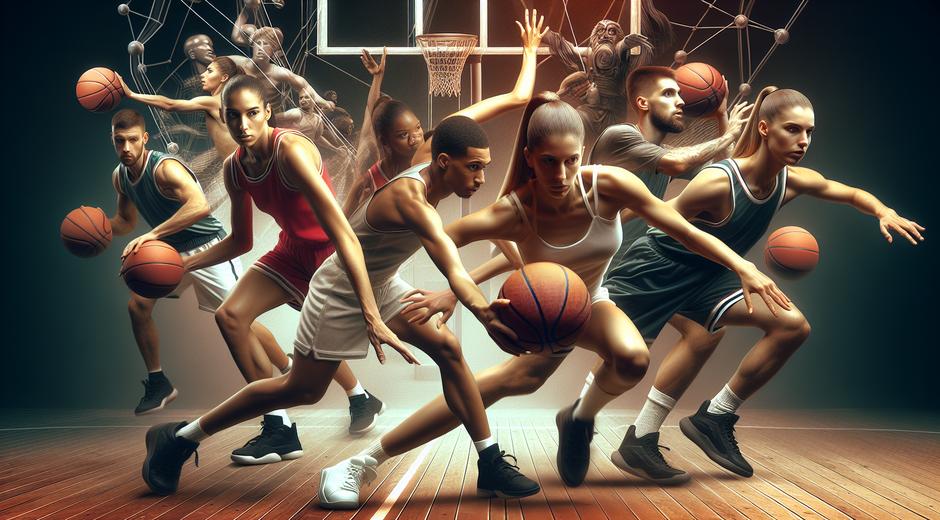
Every sport places different demands on Neuromuscular Control. For example a soccer player needs excellent single leg stability and rapid deceleration skills. A basketball player needs quick lateral change of direction and reliable landing mechanics. A swimmer benefits from core stability and shoulder control for efficient stroke mechanics. Design drills that mimic the timing angles and force demands of the sport. Transfer occurs when training closely replicates competitive movement patterns.
Neuromuscular Control and Youth Athletes
Early development of Neuromuscular Control in young athletes creates a foundation for long term athletic success. Simple play based activities that challenge balance coordination and timing can be very effective. Schools clubs and parents all play a role. For family resources that encourage active play and skill development see CoolParentingTips.com which offers ideas that connect fun with motor skill learning. Introducing these concepts early reduces the risk of poor movement habits that are harder to correct later.
Neuromuscular Control for Injury Prevention and Rehabilitation
Many common injuries relate to failures of Neuromuscular Control. Knee ankle and shoulder injuries often occur when the nervous system fails to coordinate protective muscle responses. Rehabilitation should therefore include not only tissue healing and strength restoration but also targeted Neuromuscular Control training. Controlled perturbation exercises reactive stepping and sport specific agility tasks help rebuild the rapid adaptive responses needed to avoid re injury. Consistent neuromuscular training after injury reduces recurrence and improves confidence.
Measuring Progress and Maintaining Gains
Track progress with repeated baseline tests and practical performance measures. Improvements in balance time reduction in ground contact time during jumps and cleaner movement patterns on video are useful indicators. Maintenance is essential. Once gains are built include short Neuromuscular Control routines within regular practice and strength sessions. Periodic review during the season helps prevent regress and keeps the nervous system finely tuned.
Practical Tips for Coaches and Practitioners
Keep drills short focused and sport specific. Use external cues such as target landing zones visual markers and partner feedback to speed learning. Encourage attention to movement quality rather than speed when introducing new tasks. Progress by increasing task complexity or reducing stability rather than only adding load. Record drills on video to provide objective feedback and to track improvements over time.
Final Thoughts
Neuromuscular Control is an essential but often overlooked area of sport performance. It sits at the intersection of strength mobility and motor learning. By assessing targeting and integrating Neuromuscular Control training into regular practice athletes improve movement efficiency reduce injury risk and gain a performance edge. Whether you are a coach athlete or parent the investment in Neuromuscular Control yields durable returns that show up in both competition and daily training.