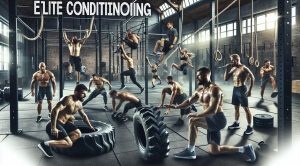


Elite Conditioning
Elite Conditioning is the foundation of peak sport performance. Whether an athlete is focused on speed power endurance or skill the right conditioning plan pushes the body to adapt and perform when it matters most. This article explores the core principles of Elite Conditioning and offers practical guidance for coaches athletes and sport fans who want measurable gains. Read on to learn how to build a training framework that elevates strength endurance mobility recovery and mental resilience.
What Elite Conditioning Means for Athletes
Elite Conditioning is not just about working harder. It is about working smarter. The aim is to create a training environment where each session has a clear purpose and contributes to long term improvements in performance. That involves sport specific drills targeted strength sessions energy system training mobility work and structured recovery. The ultimate goal is to have an athlete ready to execute skill under fatigue at the highest levels of competition.
Core Principles of an Elite Conditioning System
There are several principles that set elite conditioning apart from generic training. First the program must be individualized. No two athletes have the same strengths and limitations. Second the programs must be progressive so training load increases in a controlled way to promote adaptation without excess injury risk. Third there must be a balance between intensity and volume to target the needed energy systems. Fourth the plan must be integrated with skill practice so strength and conditioning supports sport specific movement patterns.
Designing a Weekly Conditioning Plan
A weekly plan for Elite Conditioning balances focused sessions that build capacity with sessions that develop sport specific power and control. A sample week might include strength training two to three times mobility and speed work two times and a long session that targets endurance. Recovery sessions with light movement and targeted soft tissue work are essential. Coaches should track objective measures such as running speed jump height and perceived recovery to guide how to adjust the plan.
Strength Work for Power and Durability
Strength training in an Elite Conditioning program emphasizes force production and joint integrity. Exercises should be chosen to transfer to sport tasks. Compound lifts with progressive loading build raw strength. Supplementary work that targets single leg control trunk stability and shoulder integrity improves movement resilience. Strength sessions often include explosive variations to develop power for sport specific actions such as sprints jumps or throws.
Conditioning for Energy System Development
To succeed in sport athletes must be efficient across energy systems. Short high intensity efforts and long lower intensity work both matter. Training that targets the phosphagen system improves maximal effort capacity. Intervals with short rest build repeat sprint ability. Longer steady state sessions enhance aerobic capacity and recovery between efforts. Rotating sessions to focus on different systems ensures the athlete develops a broad physiological base.
Mobility and Movement Quality
Elite Conditioning values mobility as a performance enhancer and injury limiter. Mobility work improves range of motion in key joints so strength and power can be expressed in sport relevant positions. Movement screening helps identify restrictions and asymmetries. A dedicated mobility routine applied before and after practice maintains tissue quality and supports nervous system readiness for intense sessions.
Monitoring Progress and Testing
Regular testing is vital to measure gains and to make informed adjustments. Typical tests include sprint times jump height endurance runs and strength max or sub max markers. Use simple data points such as perceived exertion and resting heart rate along with objective measures for a full picture. Tracking trends over weeks reveals how the athlete responds to load and when a deload week is needed.
Nutrition and Recovery Strategies
Conditioning gains cannot be achieved without proper fueling and recovery. A diet rich in quality protein complex carbohydrates healthy fats and a variety of micronutrients supports training intensity and tissue repair. Hydration plays a major role in performance and recovery. Sleep quality is a cornerstone of adaptation and injury prevention. Athletes can benefit from planned recovery tactics such as contrast baths compression work and targeted soft tissue methods provided by professionals.
For athletes who want comprehensive support with recovery and clinical services the team at BodyWellnessGroup.com offers a range of options that complement Elite Conditioning plans.
Sport Specific Conditioning
Elite Conditioning must reflect the demands of the sport. A basketball player needs repeated change of direction speed and vertical power. A distance runner needs efficient oxygen delivery and lactate clearance. Conditioning drills should mimic game scenarios to train metabolic pathways in the context of sport movement. Skill drills performed under fatigue condition the nervous system to maintain technique when it is most needed.
Periodization for Peak Performance
Periodization organizes the training year to peak at key competitions. Phases include base building strength development power cultivation and tapering. Each phase has specific goals and the conditioning workload shifts appropriately. Smart periodization accounts for competition schedules travel and individual recovery needs. The result is an athlete who arrives at important events rested and ready to perform.
Injury Prevention and Management
Conditioning programs that emphasize movement quality load management and progressive exposure to sport demands reduce injury risk. Screening for weaknesses and integrating prehab exercises helps address issues before they become injuries. When injury does occur rehabilitation should be integrated with conditioning so the athlete maintains general fitness while recovering specific tissue function.
Programming Tips for Coaches
When building an Elite Conditioning plan coaches should start with an assessment of the athlete and sport demands. Set measurable targets and choose drills that match those targets. Keep sessions purposeful and avoid random training. Use metrics to guide progression and include regular feedback loops with the athlete. Communication about load sleep stress and nutrition helps coaches make better adjustments.
Tools and Technology That Enhance Conditioning
Modern tools make monitoring and training more effective. GPS devices quantify running load and positional data. Force plates measure jump performance and limb asymmetries. Heart rate monitors map intensity zones and recovery status. Video analysis helps coaches fine tune movement patterns. These technologies provide data that when combined with sound coaching lead to better outcomes.
Building Mental Conditioning
Mental resilience is part of Elite Conditioning. Visualization routines stress management techniques and focus drills train the mind to operate under pressure. Coaches and sport psychologists can weave mental skills training into the physical plan so athletes are confident and composed during competition.
How to Get Started with Elite Conditioning
Start with a clear assessment and a simple plan that addresses the most pressing needs. Progressions should be modest and consistent. Track simple performance metrics and adjust based on data and athlete feedback. For ongoing resources and sport content check the home site at sportsoulpulse.com where coaches athletes and fans can find drills programs and expert commentary on conditioning strategies.
Conclusion
Elite Conditioning is a comprehensive approach that blends strength energy system work mobility nutrition recovery and mental training to produce high level sport performance. It requires careful planning objective monitoring and consistent execution. Implement the principles above and refine the plan to the individual athlete and to the sport demands. With the right structure athletes can push past plateaus and perform at their best when it counts.