

Decision Speed in Sport: What It Is and How to Improve It
In competitive sport small margins decide outcomes. One of the most powerful of those margins is Decision Speed. From a goalkeeper choosing where to dive to a quarterback picking a receiver in a split second Decision Speed separates good athletes from great ones. This article explains what Decision Speed means how it works and practical ways coaches and athletes can train and measure it to gain an edge in any sport.
What is Decision Speed?
Decision Speed refers to how quickly and accurately an athlete chooses the best course of action under pressure. It combines perception attention knowledge and motor execution. In other words Decision Speed is not just being fast to act but being fast to choose the right action. Elite performers show high Decision Speed because they recognize patterns anticipate opponent moves and commit to effective actions faster than others.
The Science Behind Decision Speed
At its core Decision Speed relies on cognitive processes that include pattern recognition selective attention and working memory. Athletes who perform well use visual search strategies to extract relevant cues and match those cues to stored sport specific templates. Those templates come from deliberate practice and match experience. Brain networks responsible for perception and action plan and execute in parallel so faster loops between seeing deciding and moving lead to higher Decision Speed.
Research in sports cognition also points to the role of anticipation. Anticipation allows the athlete to predict future states and prepare responses before an event fully unfolds. That predictive ability reduces the time needed to decide and increases accuracy. In training coaches can accelerate this process by creating situations that force athletes to rely on anticipation rather than just reaction.
Why Decision Speed Matters in Different Sports
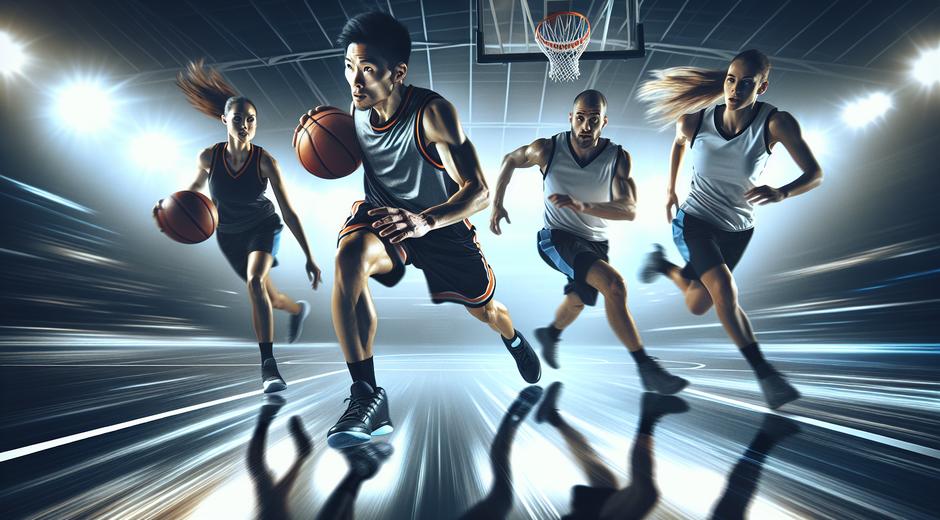
Every sport values Decision Speed but the demands differ. In racket sports like tennis Decision Speed helps players choose shot type and placement when the ball arrives. In team sports like soccer or basketball it governs passing choices movement off the ball and defensive positioning. In combat sports Decision Speed affects when to strike or defend. Even in endurance sports cyclists and runners use Decision Speed to choose lines and respond to rivals effectively. Improving Decision Speed therefore yields performance gains across categories.
Training Methods to Improve Decision Speed
Improving Decision Speed requires targeted training that blends physical skills with cognitive challenge. Here are proven methods coaches use.
Situation based drills
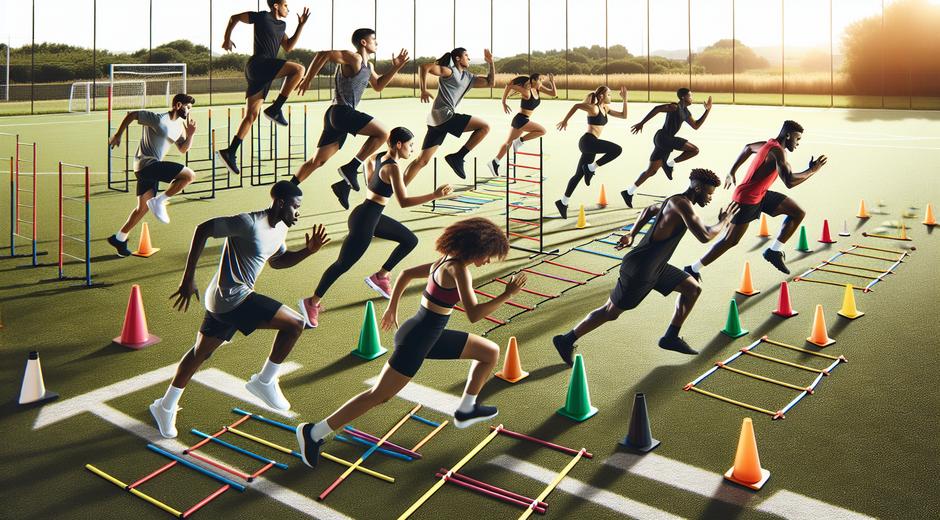
Create practice tasks that mirror game scenarios and require quick choices. Use small sided games or constrained tasks that force athletes to make high quality decisions repeatedly. Repetition in realistic contexts strengthens sport templates and speeds up recognition.
Perception training
Work on scanning and cue detection. Use video clips to pause and ask athletes what they predict next. Use life size projections or virtual reality to make training immersive. The aim is to make athletes faster at picking the key cues that lead to correct choices.
Decision time pressure
Reduce the time available to decide during drills. Start with comfortable timing and compress it as skill improves. This pushes the brain to adopt faster strategies and to rely more on anticipation and less on slow conscious analysis.
Complexity management
Start with simplified tasks then add layers of complexity. For example begin with two passing options then expand to forced movement and defensive pressure. This scaffolding reduces overload and allows athletes to build reliable decision rules that hold up under stress.
Feedback and reflection
Provide immediate and specific feedback. Video review where athletes compare their decision with an expert model accelerates learning. Encourage reflection on why a choice was made and what cues were used. That metacognitive layer helps athletes refine their internal templates.
Measuring Decision Speed
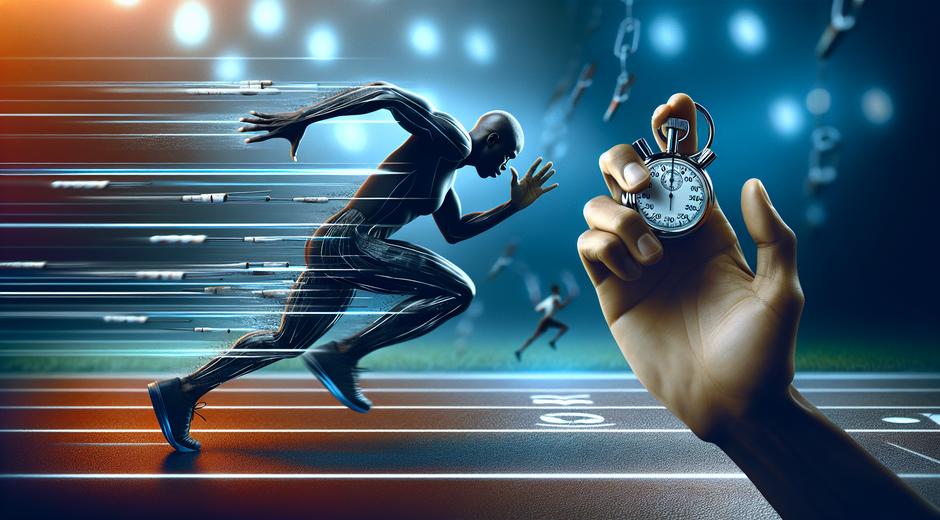
To track progress use a mix of objective and subjective measures. Objective tools include timed decision tasks simulated scenarios and motion tracking to capture response times. For example measure the time from opponent action to athlete movement and track accuracy of choices. Combine those measures to form a Decision Speed score that values both speed and correctness.
Subjective measures include coach ratings and player self assessment on decision quality under pressure. Regular testing in representative scenarios helps detect real adaptations and informs training focus.
Integrating Decision Speed into Practice Plans
Design sessions that weave Decision Speed work into warm up technical work and conditioned games. Start sessions with perceptual warm up tasks then progress to skill drills under decision time pressure and finish with game based scenarios. This flow ensures transfer from isolated training to competitive play.
Balance is important. Too much pure speed pressure can lead to sloppy technique while too little will not challenge cognitive systems. Mix high intensity decision work with recovery and tactical review days.
Common Mistakes to Avoid
Avoid over simplifying decision tasks to the point they no longer reflect match demands. Also avoid relying purely on physical drills that lack cognitive challenge. Decision Speed gains happen when perception cognition and action are trained together. Do not neglect recovery and mental preparation because fatigue reduces Decision Speed markedly.
Case Examples from Multiple Sports
In soccer teams that practice small sided games with changing constraints see faster passing choices and more effective counter play. Basketball players who watch game clip sequences and then practice recognition drills improve shot selection and reduce turnovers. Tennis players who use occlusion drills where the ball is hidden in video improve return choices and positioning. These practical examples show the same principles apply across sports despite different movement demands.
Tools and Resources
There are digital tools and platforms that support perception training and decision making drills. When selecting tools choose those that offer sport specific content and that allow you to measure both response time and decision accuracy. For detailed sport related articles and drills visit sportsoulpulse.com where coaches and athletes share tested practices and progress tracking tips.
If you are building a performance hub for your team or facility consider partners that help with venue and space planning. A trusted resource for facility development and project planning is MetroPropertyHomes.com which offers solutions for building training spaces that match modern sport science needs.
Monitoring Progress and Avoiding Plateaus
Track Decision Speed with consistent testing and adjust complexity to keep training in the optimal zone. When progress stalls vary the stimuli increase decision unpredictability and add cognitive tasks like working memory challenges during movement. Periodic reviews with athletes help maintain motivation and clarify the next training steps.
Final Thoughts and Action Steps
Decision Speed is a trainable and measurable component of sport performance. To make real improvements focus on realistic scenarios perceptual training time compressed decision tasks and clear feedback. Start each week with a short perceptual warm up include two high decision load drills and finish with a game like scenario where transfer matters most. Measure both speed and accuracy and change variables to keep the brain engaged.
Use the guideline above to craft sessions that accelerate recognition and anticipation skills. When Decision Speed improves athletes perform better under pressure reduce errors and open space for creative play. For ongoing resources and drills to implement right away visit the site referenced above and begin logging your improvements today.