

Athletic Development: A Complete Guide for Coaches and Players
Athletic Development is the foundation of long term success in any sport. Whether you are a youth player learning basics or a adult athlete refining skills for elite competition the path is the same in one key way It combines physical training technical skill work and intelligent recovery to build a more resilient and capable body. This guide breaks down the core principles of Athletic Development and offers practical steps you can apply right away to accelerate gains and reduce injury risk.
What Athletic Development Really Means
Athletic Development is more than lifting weights or running drills. It is a planned approach to improving movement quality strength speed power endurance and sport skill. The process is guided by measurable goals careful coaching and progressive challenge. Good Athletic Development creates athletes who can perform when the moment matters and who keep progressing across seasons and careers.
Core Principles of Effective Athletic Development
Start with a clear intention Know what physical attributes matter most for the sport and the player Then use training techniques that transfer from the gym and practice field to game day. Key principles include progressive overload specific adaptation balance of work and recovery and regular assessment for feedback. When those elements are consistent athletes develop with less risk and more predictable outcomes.
Movement Quality and Mobility
Movement quality is the silent engine behind speed strength and durability. Before adding load focus on joint control and efficient patterns for squatting hinging lunging and pushing. Mobility work should be specific to the motions required in sport. For example a soccer player needs hip range and ankle control while a baseball pitcher needs thoracic rotation and shoulder control. Improving movement quality often unlocks strength and speed gains faster than simply adding weight to an exercise.
Strength and Power
Strength is the foundation of most athletic qualities. Building a base of maximal strength allows athletes to express greater power and to tolerate higher training loads. Power training then translates strength into the ability to produce force quickly. Use compound lifts that match movement patterns of the sport and add power progressions such as jump training Olympic style lifts or medicine ball throws. The interplay between strength and power is central to Athletic Development because it governs how well an athlete can accelerate decelerate and change direction.
Speed Agility and Coordination
Speed is not just raw sprinting ability It is also the product of technique and neuromuscular coordination. Agility adds the reactive element of changing direction under pressure. Training should include technical sprint work resisted and assisted variations as well as reaction drills that challenge perception and decision making. Small sided games and sport specific drills help merge physical and cognitive skills so gains carry over to competition.
Energy Systems and Conditioning
Conditioning in Athletic Development must be specific to the sport demands. Some sports require long steady outputs other sports require repeated max efforts with short recoveries. Conditioning sessions should mirror those demands and integrate with strength work to avoid excess fatigue. Use interval work tempo sessions and sport simulation drills to build the right metabolic profile while maintaining speed and strength qualities.
Nutrition and Recovery
Training quality improves only with proper fuel and recovery. Nutrition supports muscle repair immune function and cognitive performance. Focus on adequate protein carbohydrate and micronutrient intake timed around training sessions. Sleep stress management and lifestyle choices also play a major role in how quickly an athlete adapts. Recovery modalities should be used to complement not replace foundational practices like sleep hydration and progressive loading.
Coaching Feedback and Athlete Monitoring
Objective feedback guides progress. Use simple tests such as vertical jump sprint times and strength scores to track adaptations. Wearable devices and subjective wellness questionnaires help manage day to day readiness. Good coaches create a feedback loop that ties test results to training adjustments. For a hub of practical articles and templates to build monitoring systems visit sportsoulpulse.com where coaches and players find tools to plan sessions and evaluate progress.
Programming and Progression
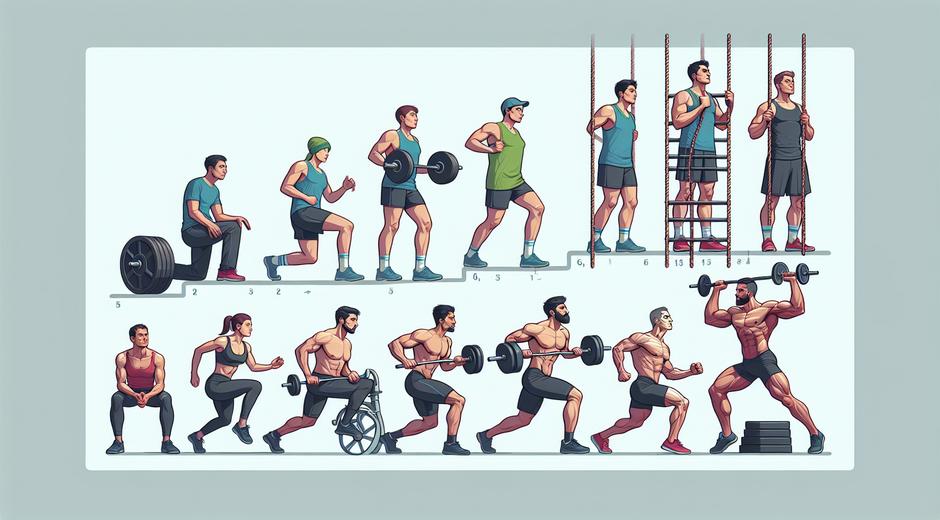
Programming is the art of sequencing work to produce improvements while limiting injury risk. Start with general physical preparation then move to more sport specific intensity and complexity as the athlete adapts. Plan cycles of higher load and lower load to allow for recovery phases and peak performance for key competitions. Progression should be measurable and gradual to ensure sustainable gains over months and years.
Mental Skills and Consistency
Consistency often beats intensity in long term Athletic Development. Mental skills training such as goal setting visualization and focus drills strengthen habits that support daily practice. Athletes who build routines for training recovery and nutrition create a platform for steady growth. Coaching that reinforces consistency and process goals is often more effective than a focus on outcome only.
Technology and Tools to Support Growth
Today there are many tools that help refine Athletic Development. From timing systems for speed tests to apps that analyze movement video technology can accelerate learning when used wisely. Look for validated tools that provide clear metrics and integrate with your coaching plan. For equipment that helps track time and performance with real world reliability consider checking a trusted provider like Chronostual.com to find timing and measurement solutions that fit your team or clinic needs.
Designing a Sample Weekly Plan
A balanced week for an athlete might include two dedicated strength sessions two speed and agility sessions plus one sport skill focused practice and one active recovery day. The exact breakdown depends on sport demands and competition schedule. Always prioritize quality of movement and avoid piling fatigue right before a key event. Use testing points every four to eight weeks to reassess and adjust the plan.
Long Term Athlete Development
Long term Athletic Development is about building capacity and resilience over years not just weeks. Younger athletes benefit from broad exposure to many movement skills and gradual introduction to load. Mature athletes need targeted programming that preserves durability while enhancing performance. The best programs are flexible and adapt as the athlete grows and their goals change.
Common Mistakes to Avoid
Avoid training that concentrates on one quality only or that jumps too quickly into high intensity work. Overuse injuries often result from repetitive stress and lack of movement variety. Another common error is neglecting assessment and staying with the same routine for too long. Regular evaluation ensures that training remains aligned with the athlete goal and stage of development.
Conclusion
Athletic Development is a continuous journey that blends science art and careful application. By focusing on movement quality strength speed conditioning and recovery you create athletes who perform consistently and improve across seasons. Use objective feedback adapt programming over time and apply tools that add meaningful data. With patience and consistent effort the results compound and athletes reach new levels of performance.
If you are a coach or athlete ready to build a practical plan start small measure progress and refine based on data and feel The right approach to Athletic Development can change a career and create a healthier more capable athlete for life.