

Athletic Control The Key to Precision Movement and Peak Performance
In modern sport the phrase Athletic Control has moved from niche training jargon to a core concept in coaching strength and conditioning. Athletes who master Athletic Control gain an edge in speed agility and injury resistance. This article breaks down what Athletic Control means why it matters and how coaches athletes and fitness fans can design programs that build repeatable efficient movement under pressure.
What is Athletic Control
Athletic Control is the ability to regulate body position motion and force during sport specific tasks. It blends coordination balance core stability and conscious decision making under physical stress. Rather than focusing on raw power or endurance alone Athletic Control emphasizes the quality of movement. It is about arriving at the right place at the right time with appropriate mechanics and the option to adapt when an opponent or an unexpected stimulus appears.
Why Athletic Control Matters for Every Athlete
Every sport demands a unique mix of movement demands yet Athletic Control is a universal currency. Athletes with high Athletic Control move more efficiently expend less energy and reduce joint stress. That translates to better performance across sprinting cutting jumping and ball handling tasks plus a lower risk of common injuries such as ligament strains and tendon overload. Coaches who prioritize Athletic Control see gains in execution under fatigue and improved transfer from practice to competition.
Core Components of Athletic Control
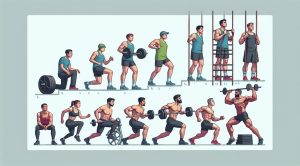
To develop Athletic Control training must address multiple qualities together. The core components include mobility the capacity to move joints through needed ranges of motion stability the ability to maintain joint alignment under load proprioception the sense of joint position and movement and tempo control the ability to alter force output and speed purposely. Integrating these elements creates an athlete who can absorb contact decelerate and reaccelerate or change movement plane with confidence.
Movement Foundations Mobility and Stability
Begin with mobility to ensure athletes can access required ranges for sport actions such as hip rotation for kicking or ankle dorsiflexion for deep squat positions. Mobility work is not a one time fix. It should be paired with stability exercises that teach the body to hold positions under load. Simple progressions such as single leg balance variations and loaded split squat patterns lock in the mobility gains and teach control of alignment during strength tasks.
Neuromuscular Training and Proprioception
Proprioceptive drills train the nervous system to appreciate subtle changes in limb position so athletes can make fast corrections during reactive play. Incorporate eyes closed single leg holds surface variability and light perturbation drills. These tasks boost feedback loops between muscle spindle sensors and central motor planning centers helping athletes maintain Athletic Control when vision or stable base is compromised.
Reactive and Decision Based Drills
Athletic Control must function in time constrained decision rich environments. Reactive drills that combine cognition and motor skill build this link. Examples include multi directional chase tasks where the athlete responds to an unplanned cue change small sided games and pattern decision drills that force quick perception of space and rapid execution. The emphasis is not only speed but choosing the correct speed and force for the context.
Power Balance and Tempo Management
Power is vital yet without control it can be destructive. Teach athletes how to express power at the right moment and how to modulate force when required. Plyometric progressions with focus on soft landings target eccentric control while combined tempo strength work that varies lifting speed builds capacity to move in a controlled manner across different intensities. These strategies increase readiness to absorb contact and to recover into the next action faster.
Programming Principles to Enhance Athletic Control
Designing a program for Athletic Control starts with assessment and is guided by progressive overload variation and specificity. Assess movement quality under low and high load identify deficits and create a phased plan. Begin with technical foundation sessions mobility and isolated stability then weave in integrated strength and reactive work. As the athlete progresses increase complexity add decision elements and raise physical intensity so control transfers into competition speed and realism.
Recovery Nutrition and Injury Prevention
Control is a product of neuromuscular health and tissue resilience. Prioritize sleep hydration and nutrient timing to support recovery and tissue repair. Protein and micronutrient rich meals combined with appropriate rest between high intensity control sessions help maintain learning and reduce overload risk. Include targeted prehab exercises for common weak links such as hip glute and ankle complexes and use load management to avoid chronic breakdown.
Measuring Athletic Control
Quantify progress with both objective and subjective measures. Objective tools include movement screens force plate analysis wearable sensors and timed agility tasks. Subjective assessment from coaches and athletes about effort and perceived control under pressure adds context. Use consistent testing intervals to track changes and adjust programming based on trends rather than isolated results.
Implementing Athletic Control in Team Environments
In team sport settings time constraints require efficient training that benefits the whole roster. Use circuit stations that combine mobility and neuromuscular tasks then funnel athletes into sport specific control drills that mimic game demands. For wider education and resources consider sharing curated content and training templates from trusted partners and networks such as sportsoulpulse.com to keep staff aligned on best practices and to spark ideas for daily sessions.
Tools and Technology That Help
Simple tools like cones bands and balance devices add variability while small investment technology such as inertial sensors and tablet video capture enhance feedback loops. When used wisely technology shortens the feedback time between rep and correction so athletes internalize movement patterns faster. For additional style design and wearable ideas that pair well with control training check resources at StyleRadarPoint.com which can help teams identify gear and apparel that supports on field performance and recovery.
Case Study Example
Consider a regional soccer squad that struggled with late game errors and non contact injuries. The team instituted a twelve week Athletic Control plan focusing on hip mobility glute activation eccentric strength and reactive small sided games. The sessions replaced some time spent on volume running. After twelve weeks players reported improved balance faster return to direction and fewer late game mistakes. Objective data showed improved agility times and lower limb landing symmetry. The outcome underscores how targeted control work shifts outcomes across performance and injury metrics.
Action Steps for Coaches and Athletes
Start by assessing movement quality then prioritize three to five drills that target the biggest deficits. Keep sessions short focused and measurable. Blend individualized work for key players with integrated team tasks that mimic match demands. Track progress and be patient with neuromuscular learning as changes often precede performance gains. Consistency yields reliable control which becomes a foundation for advanced speed power and tactical expression.
Conclusion
Athletic Control is not an optional add on. It is the glue that allows skills to be delivered reliably under pressure. By addressing mobility stability proprioception and decision based training athletes and coaches can build movement systems that resist injury and excel in competition. Integrate control principles into daily planning monitor progress and align gear and recovery strategies to support sustained development. When Athletic Control guides preparation performance becomes more precise repeatable and resilient.