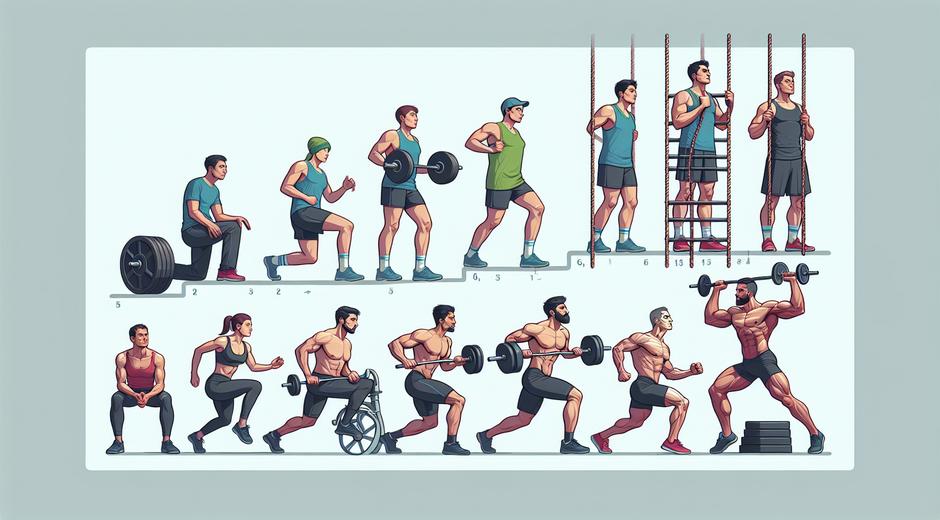


Tactical Execution in Sport Playbook
Tactical execution is the bridge between strategy and success in any sport. Coaches and athletes can plan the best tactics on paper but if execution is weak the result will not match the intent. This article examines core principles that drive consistent execution on the field court ice or track and offers practical steps to build repeatable performance. For coaches who want a central resource to refine coaching routines see sportsoulpulse.com for more sports insight and usable tools.
What Tactical Execution Means
Tactical execution is the disciplined application of a plan during competition. It covers decision making movement choices timing and the integration of individual roles into a collective system. Execution depends on preparation clarity and the ability to adapt when conditions change. In team sports the quality of execution often decides the margin between winning and losing. In individual sports execution can translate to converting potential into podium results.
Three Pillars of Reliable Execution
Consistent execution rests on three pillars. Each pillar supports the others and together they form a framework that teams and athletes can use to improve outcomes.
1. Clarity of Roles and Objectives. Every athlete must know their responsibility in every common scenario. Clear objectives allow players to act without hesitation. Drill design should simulate game situations so roles become automatic.
2. Repetitive Practical Drills. Repetition builds muscle memory and confidence. Drills should be high quality and focused. Repetition is not mindless work. It is structured repetition with feedback so that each cycle improves the movement decision or timing.
3. Real time Communication. Execution improves when communication is simple direct and consistent. Verbal cues are useful but non verbal signals can be faster in loud environments. Practice standardized calls and gestures so teammates respond reliably.
Designing Practice to Maximize Execution
Practice must reflect the demands of competition. The best setups recreate pressure decision density and fatigue so athletes learn to execute when it matters most. Start with technique work at low intensity then layer complexity and speed. Move from closed drills to open drills and finally to full scrimmage. Each step tests the skill in a new context.
Use constraints to force decision making. Limit space time or options to teach players which solutions are highest value. For example in small sided soccer play reduce the number of touches or shrink the field. In basketball run controlled scrimmages where a scoring chance only counts after three passes. These constraints create focused learning that transfers to match play.
Decision Making and Game Intelligence
Execution is not only physical. Decision making under pressure is a mental skill that can be trained. Video review helps athletes see patterns and anticipate opponent actions. Walk through scenarios on the whiteboard and ask athletes to explain why one choice is better than another. This reflective practice sharpens game intelligence and reduces reaction time during live play.
Teach simple principles that cover many situations. Principles like maintain width create depth attack the weak side or delay to reset can guide fast choices. When players follow principles they can adapt to novel events without freezing. Simplicity helps speed of thought which is critical for execution.
Communication Systems That Work
Every successful unit uses a clear communication system. Choose a small set of words or signals and practice them until they become automatic. Avoid complex phrases that slow reactions. For example use single words for key actions or short phrases that are consistent across sessions.
Also encourage feedback loops during breaks in play. Quick honest feedback helps correct small errors before they become habits. Post game debriefs that focus on execution rather than blame keep progress on track. Create a culture where players feel safe to admit mistakes and propose fixes.
Managing Pressure and Nerves
Pressure changes the way athletes perceive risk and rewards. Training under pressure conditions reduces the shock of real competition. Add scoring incentives time constraints or crowd noise to practice so players learn to execute with adrenaline. Simple breathing strategies and focus routines before critical plays help calm the nervous system and improve precision.
Mental rehearsal is another tool. Visualizing sequences from the perspective of the performer builds neural pathways similar to physical practice. Encourage athletes to run mental reps especially when travel or schedule makes extra physical sessions difficult.
Using Data to Improve Execution
Objective measures speed up learning. Track key execution metrics like pass completion in transition shot quality or defensive coverage success. Use video clips to show both good and bad examples and highlight decision points. Data helps prioritize training focus by showing which situations have the largest impact on outcomes.
Analytics also allow coaches to measure progress across time and across players. Use simple charts and trend lines to communicate progress in a way that motivates athletes. Make sure data is actionable. A stat without context rarely improves behavior.
Case Study Examples
Example one. A field hockey team improved penalty corner defense by isolating each role and practicing pressure entries at game speed. One week of focused work on four clear role tasks produced measurable gains in clearance success and reduced goals conceded in similar situations. The key was clarity and repetition.
Example two. A track relay squad drilled baton exchanges under fatigue and with crowd noise. They practiced both visual and blind exchanges and refined simple calls. The team shaved tenths of a second from their exchange zones and won races that previously were decided by small margins.
Common Execution Pitfalls and How to Fix Them
Pitfall one lack of shared language. Fix it by introducing a short vocabulary and drilling it until players respond automatically. Pitfall two over complex game plans. Simplify to a few key principles that players can recall under stress. Pitfall three poor rehearsal of transitions. Many teams focus on static scenarios but fail to train the moments where offense turns to defense or vice versa. Spend time on these transitions and execution will improve quickly.
Bringing Tactical Execution into Daily Routine
Make execution a habit by embedding short focused tasks into daily routines. Ten minutes a day of scenario work yields cumulative gains. Use morning walk throughs to rehearse signals and evening video sessions to discuss decision making. These small consistent actions build a base that supports performance on game day.
For coaches looking for cross discipline tips that can be applied to youth training or family sport routines visit CoolParentingTips.com which offers practical advice on motivation routines and healthy habits that support athlete development at all ages.
Conclusion
Tactical execution separates good teams from great teams. It requires clear roles disciplined practice simple communication and mental preparation. By using deliberate drills focusing on decision making and leveraging data coaches can create reliable execution systems that perform under pressure. Execution is a process not a one time fix. With consistent effort teams will turn plans into results and build a culture of excellence that lasts.