

Training Periodization A Complete Guide for Athletes and Coaches
Training Periodization is the structured plan that organizes training across time to maximize performance and reduce injury risk. Whether you are a weekend competitor or a professional coach planning a season for a team, understanding the principles of Training Periodization helps you adapt workload, recovery, and intensity in a scientific way. This article explores core concepts practical applications and tips to build effective periodized plans for any sport.
What is Training Periodization and why it matters
At its core Training Periodization divides the training year into phases each with a specific focus. The goal is to elicit planned physiological adaptations while avoiding overtraining. Periodization allows progressive overload to be managed with cycles of increased load followed by recovery. This structure helps athletes peak at the right time for major events while maintaining consistent improvements across the long term.
Well structured Training Periodization improves strength endurance speed and skill acquisition in a balanced way. It is not only about increasing volume or intensity but about sequencing types of stimuli to drive growth and resilience. Coaches who apply periodized plans are better able to track progress and make informed adjustments based on athlete response and competition schedules.
Key components of a periodized plan
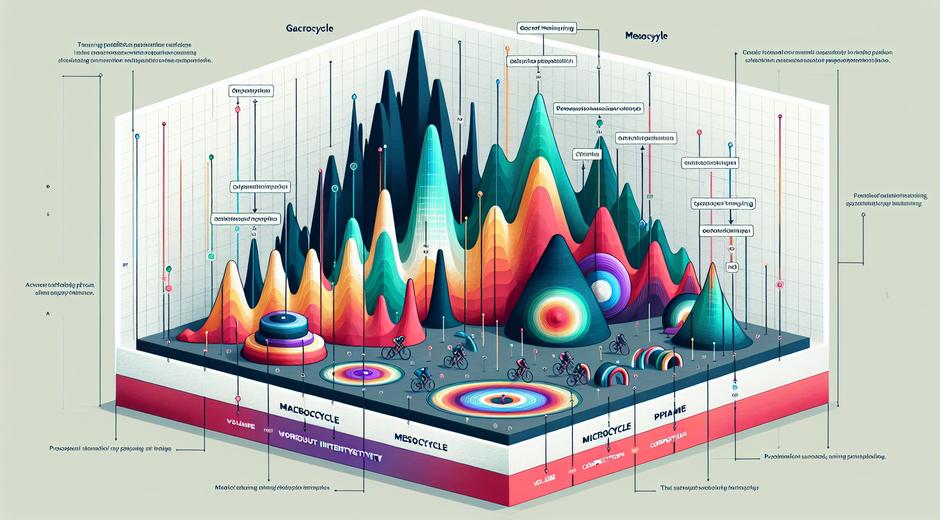
A practical periodized program includes several layers of planning. Start with the macro cycle which covers the largest block of time such as a season or a full year. Within the macro cycle use meso cycles that last several weeks to build specific qualities. Micro cycles are the week to week plans that guide daily training sessions.
Essential components to include in each cycle are training focus recovery strategy volume targets intensity ranges and skill work. Monitoring tools such as session ratings of perceived exertion heart rate variability and performance tests provide feedback to adjust the plan. Good planning also accounts for competition dates travel and expected stress that can affect recovery.
Popular periodization models and how to choose
There are several periodization models each with advantages depending on sport demands and athlete level. Linear models gradually increase intensity while decreasing volume. Undulating models vary intensity and volume more frequently to keep stimulus fresh. Block models concentrate on one or two training qualities for a meso cycle before rotating to another focus.
Choosing the right model depends on the sport the athlete profile and the competition calendar. For example team sports with frequent matches may benefit from flexible undulating plans that allow repeated peaks. Individual sport athletes preparing for one major event often use linear or block approaches to create a clear taper and peak. Regardless of model the core principle remains planning training phases to align with performance goals.
Designing a season using Training Periodization
Start with the end in mind by identifying key competitions and performance targets. Work backwards to allocate time for base building, skill refinement and peak preparation. The base phase increases foundational endurance strength and technical consistency. A build phase adds sport specific intensity and complexity. The peak phase sharpens speed power and competitive readiness with reduced volume for recovery.
Tapering is an essential part of the final micro cycles leading into a major event. A carefully controlled taper reduces fatigue while maintaining fitness so performance peaks. Plan for a recovery phase after major events to allow regeneration and to gather insights for the next macro cycle.
Adapting periodization for different athletes
Not all athletes respond the same way to identical plans. Age training history and injury status influence how training is tolerated. Younger athletes often require more gradual progress and greater emphasis on skill development. Experienced athletes may respond faster to higher intensity but also need more targeted recovery strategies.
Monitoring individual response is critical. If performance metrics decline or wellness markers deteriorate adjust volume and intensity accordingly. Periodization is a framework not a rigid rule book. Being flexible and responsive to feedback ensures long term progression and reduces risk of setbacks.
Integrating strength and conditioning into the plan
Strength work supports performance and injury prevention when it is programmed with clear intent. Use strength cycles that align with the larger Training Periodization structure. Base strength phases build muscle and foundational force production. Power phases convert strength into sport specific speed. Maintenance phases preserve gains when load is shifted toward technical or competitive work.
Coordination between sport coaches and strength staff ensures sessions complement each other rather than compete for recovery capacity. This integrated approach enhances transfer of strength gains to sport specific actions and reduces the chance of overloading athletes unnecessarily.
Nutrition recovery and mental training in periodization
Training Periodization does not stop at physical sessions. Nutrition must be periodized to match energy demands of each phase. During high volume phases increase carbohydrate intake to support training and during power focused phases ensure adequate protein to support muscle remodeling. Hydration sleep and active recovery methods should be part of each cycle plan.
Mental preparation can be planned alongside physical training. Use visualization focus drills and stress management techniques to build competitive resilience. For resources on mental training strategies and focus routines visit FocusMindFlow.com which offers practical tools to support athlete focus and consistency.
How to measure success in a periodized plan
Success is measured by planned improvements in key performance indicators and by the athlete arriving at competitions fresh and ready. Use objective tests such as time trials strength assessments and agility measures at regular intervals. Combine these with subjective wellness surveys and training load tracking.
Adjustments are part of the process. If test results plateau revise the cycle focus or modify recovery. If injury risk increases reduce load and prioritize rehabilitation. Tracking progress in a structured way helps coaches make evidence based choices while keeping athletes motivated.
Practical tips for coaches and athletes
- Plan backwards from main event dates to structure macro meso and micro cycles.
- Use progressive overload but include planned recovery blocks.
- Monitor response with both objective tests and subjective feedback.
- Coordinate strength conditioning and skill sessions to optimize recovery.
- Periodize nutrition and sleep strategies to match training demands.
- Be flexible and ready to adapt the plan when real world factors change.
Where to find more advice and resources
For sport specific programming articles training templates and science based advice visit sportsoulpulse.com where we curate content across all sport categories to help athletes coaches and fitness enthusiasts implement effective training systems. Use the resources to build tailored periodized plans and to stay updated with practical research insights.
Final thoughts
Training Periodization is a proven approach to structure training for consistent improvement and peak performance. It combines planning monitoring and adaptation to create a roadmap from foundational development to competition readiness. By applying periodization principles coaches and athletes can increase training efficiency reduce injury risk and achieve better long term results. Start small apply the key concepts and iterate based on athlete feedback and outcomes to build a resilient performance plan.