

Performance Anxiety in Sports: How to Recognize and Overcome It
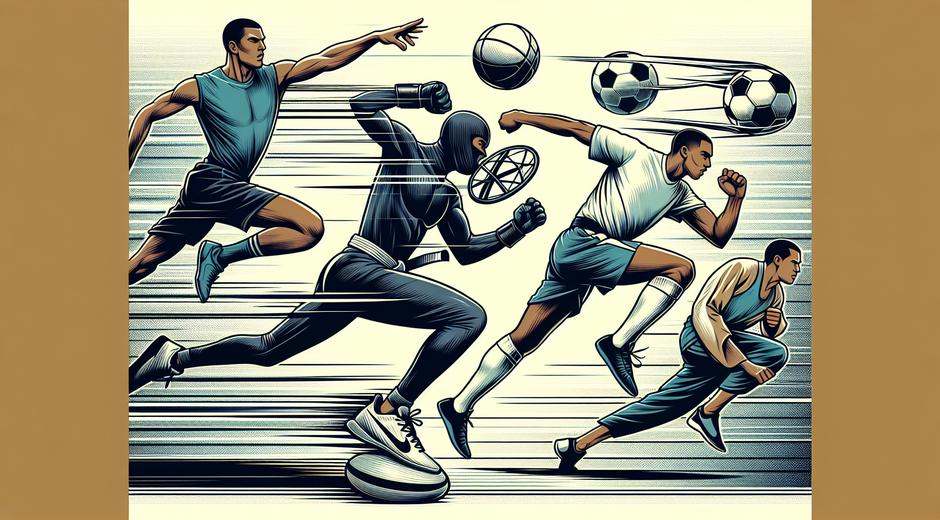
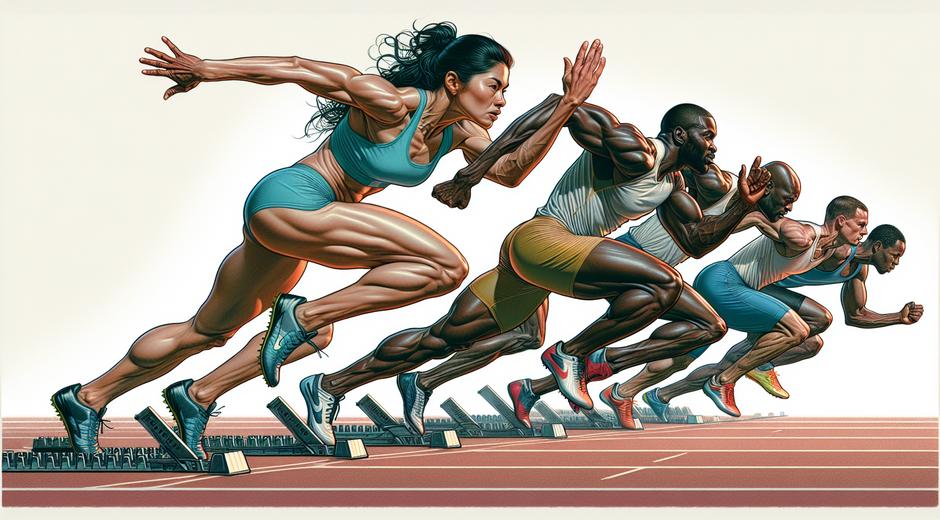
Performance Anxiety can affect athletes at every level from youth leagues to elite competition. Whether you are about to step onto the field court or arena many athletes will know the tight chest sweaty palms and racing thoughts that arrive as the moment of performance approaches. Understanding what Performance Anxiety is why it happens and how to manage it can make the difference between feeling blocked and delivering a confident controlled display of skill. This article will guide you through practical strategies evidence based approaches and simple daily habits that help athletes regain focus calm and consistent results.
What Is Performance Anxiety and Why It Matters
Performance Anxiety refers to the intense worry or fear about performing well under pressure. In sport this often appears as fear of failure concern about being judged and the physical sensations that accompany stress. The impact is not only emotional. Cognitive narrowing loss of fine motor control and disrupted decision making can all reduce performance. Over time chronic Performance Anxiety can erode confidence reduce enjoyment and increase dropout from sport. For coaches athletes and parents learning to spot early signs and respond constructively is essential for long term success and athlete wellbeing.
Common Causes of Performance Anxiety
Athletes experience Performance Anxiety for many reasons. External pressure from coaches teammates or families can increase fear of letting others down. Internal pressure such as perfectionism unrealistic expectations and harsh self evaluation also contribute. Event specific factors like debut matches finals or tournaments can raise stakes and trigger anxiety. Past negative experiences or mistakes remembered vividly can create anticipatory fear that repeats itself. Finally systemic factors like lack of recovery poor sleep and excess caffeine intake amplify physiological stress responses making anxious feelings harder to control.
Signs and Symptoms to Watch For
Physical signs may include rapid heartbeat shallow breathing muscle tension and nausea. Cognitive signs include blanking out over practiced skills rumination and a focus on potential negative outcomes. Emotional signs include irritability tearfulness and avoidance of pressure situations. Behavioral signs include changing routines last minute reducing practice intensity and withdrawing from team interactions. Recognizing these signs early allows for targeted interventions before worry becomes entrenched.
Pre Event Routines That Reduce Performance Anxiety
Creating a consistent pre event routine helps anchor the mind and body. Routines often include simple warm up sequences breathing exercises and a short mental checklist focusing on process goals rather than final results. For example an athlete might use three minutes of box breathing followed by two minutes of visualizing executing a core skill. Keeping the routine consistent makes the environment predictable and reduces the cognitive load at moments when stress would otherwise hijack attention.
Breathing Mindset and Mental Skills
Breathing methods are among the fastest ways to reduce the physical symptoms of Performance Anxiety. Techniques such as diaphragmatic breathing paced counting and progressive muscle relaxation lower heart rate and improve oxygen delivery to the brain. Mental skills training such as imagery cognitive reframing and self talk replace negative automatic thoughts with performance focused cues. Developing a short set of personalized cue words can shift attention from worry to action during critical moments.
Exposure Practice and Simulated Pressure
One of the most effective long term approaches is to practice under pressure. Simulation involves recreating game like conditions in training including crowds noise timed drills or consequence based tasks. Repeated exposure reduces the novelty of pressure and allows the athlete to build confidence in their ability to perform when it matters. Coaches who intentionally incorporate pressure training create resilient performers who can translate practice success to competition success.
Physical Health Sleep Nutrition and Lifestyle
Physical readiness supports mental readiness. Poor sleep amplifies stress reactions and reduces cognitive flexibility. Balanced nutrition supports stable blood sugar which influences mood and energy. Hydration and avoidance of excessive stimulants such as caffeine before important events lower the odds of jittery sensations that fuel anxiety. Regular recovery practices such as light active recovery foam rolling and rest days keep the nervous system regulated so the athlete can respond calmly in high demand moments.
When to Seek Professional Help
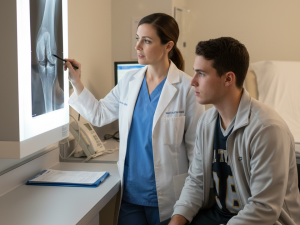
Most athletes respond well to self applied strategies coach support and team based interventions. When anxiety becomes chronic severe or it interferes with daily functioning it may be time to consult a sports psychologist or mental health professional. Cognitive behavioral therapy mindfulness based approaches and performance enhancement coaching are all evidence based options. Consulting an expert helps tailor techniques to the individual and can accelerate progress when self management stalls.
Role of Coaches Parents and Teammates
Supportive environments reduce the impact of Performance Anxiety. Coaches who focus on growth process and learning create safer spaces for risk and recovery. Parents who prioritize effort and enjoyment over outcomes reduce external pressure. Teammates who reinforce positive behaviors and share coping strategies create collective resilience. Open communication among the athlete support network encourages early help seeking and reduces stigma associated with anxiety.
Tracking Progress and Setting Realistic Goals
Measuring change helps maintain motivation and refine strategies. Simple tracking tools include a short pre event checklist mood rating and post event reflection on what went well and what to try next time. Goal setting that emphasizes incremental measurable steps supports steady improvement. Shifting the focus from absolute outcomes to process markers such as technique consistency decision quality and emotional regulation makes goals more controllable and less anxiety provoking.
Resources and Further Reading
Reliable resources help athletes deepen their understanding and find additional tools. For sport specific articles and guides that cover a wide range of training topics visit sportsoulpulse.com where you can explore expert pieces on performance mindset training and recovery. For general mental health and media coverage that highlights athlete stories and scientific trends try Newspapersio.com for up to date material and commentary that can supplement your learning.
Practical Daily Action Plan
Here is a simple daily plan to reduce Performance Anxiety over time. Each day include a 10 minute breathing and visualization session a focused practice block with simulated pressure elements a nutrition check to ensure balanced meals and proper hydration and a short evening reflection noting one success and one learning point. Weekly include one low intensity recovery day and one session working specifically on coping skills such as imagery goal setting or cognitive restructuring. Consistent small actions produce durable change.
Conclusion
Performance Anxiety is a common challenge but it is not an insurmountable one. With intentional practice supportive coaching consistent routines and evidence based mental skills athletes can transform anxiety into controlled energy that enhances performance. Start with small changes track progress and lean on your support network. Over time the nervous system learns new patterns and the competitive stage becomes a place to express training rather than a source of fear.