

Zone Defense A Complete Guide to Strategy Drills and Game Plans
Zone defense is a core tactic across multiple sports that shifts focus from tracking individual opponents to defending areas of the playing surface. Mastering zone defense can transform a roster by maximizing strengths and masking weaknesses. This guide breaks down the fundamentals the reasoning behind using zone defense common formations player roles practice drills and in game adjustments for coaches and players at every level. For more resources and articles on tactics and training visit sportsoulpulse.com where you will find drills and analysis across many sports.
What is zone defense and how does it work
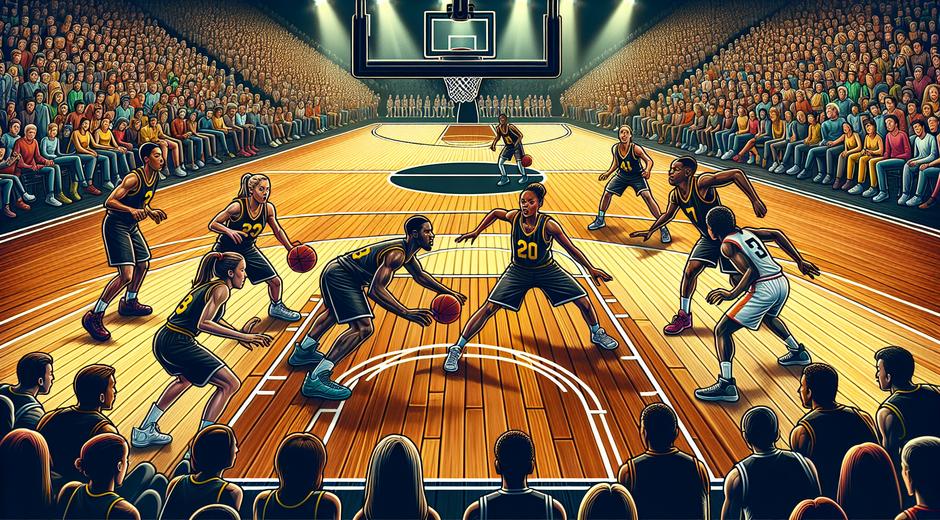
Zone defense assigns defenders specific zones of the playing area instead of assigning them a single opponent to follow. The unit works in unison to protect high value areas such as the paint the penalty area or short passing lanes. When an opponent enters a defender zone that defender engages while teammates adjust to cover passing options and cut off driving lanes.
The core advantages of zone defense are efficient energy use simplified scouting by focusing on areas and angles and the ability to protect weaker one on one defenders by providing help from teammates. The main trade off is a potential vulnerability to quick ball movement and open shots from distance if rotations are slow.
Why teams choose zone defense
Coaches choose zone defense for many strategic reasons. It can neutralize teams that rely heavily on individual star players by taking away isolation lanes. It can hide mismatches when a team is short on tall or quick defenders. Zone defense can also force opponents to take more contested perimeter shots and to create turnovers by making rushed passes.
Zone defense is also a practical choice in tournament play or back to back games where conserving energy matters. It reduces the amount of chasing and constant switching compared to full court pressure or prolonged man to man work.
Common zone defense formations
There are several classic formations that adapt to different opponent strengths. Understanding each helps coaches choose the right look for game plans.
One two two This formation packs the middle with help defenders and is effective against teams that attack the paint. It allows for quick closeouts to mid range shooters but can be vulnerable to corner shots.
Three two This set is excellent for limiting perimeter shooting by contesting the top of the key and corner areas. It is useful when facing teams that prefer to kick to shooters from high post drives.
One three one This shape is useful for trapping baseline ball handlers and for aggressive pressure on the wings. It can create turnovers but requires disciplined rotations to cover the middle.
Match up zone A hybrid that blends zone concepts with man to man principles. Players guard areas but will match up with specific opponents who enter their zone rather than simply chasing any ball handler.
Player responsibilities in zone defense
Success in zone defense depends on clear roles and strong communication. Typical responsibilities include:
- Top defender Pressure the ball and force passes to less dangerous areas while preventing easy penetration
- Wing defenders Close out on perimeter shots and deny easy entry passes to the high post
- Center protect the interior rebound and contest shots in the paint while acting as the last line of help
- Rotations React to ball movement by shifting into adjacent zones while maintaining balance to defend both pass and drive threats
Every player must know when to contest a shot when to contain a drive and when to switch focus to a cutter or screen. Drills that build these instincts are crucial.
Drills to teach and reinforce zone defense
Practice time should focus on conditioning communication and situational awareness. Below are specific drills that accelerate learning.
Shell drill Run a modified shell drill where offensive players move the ball quickly while defenders maintain zone shape and rotate on passes. Emphasize eyes on the ball the nearest passing lane and disciplined closeouts.
Zone rotation drill Place cones or markers for each defensive zone. Have the coach act as the ball while players move through rotations quickly on cue. This builds muscle memory for lateral movement and spacing.
Closeout challenge Pair defenders with shooters who receive the ball from different angles. Defenders must execute a controlled closeout block the shot and recover to their zone position to defend the next action.
Rebounding sink drill After a shot the nearest defender must secure the rebound and outlet quickly to simulate transition defense. This ensures the team does not surrender easy second chance points.
Adjustments to beat or strengthen zone defense
Teams facing a zone defense can use tactics such as quick ball reversal high low entry passes and moving without the ball to create seams. Coaches teaching zone defense should therefore prepare counters.
If opponents are beating the zone with perimeter shots then tighten closeout rotations and deny the first pass to shooters. If they attack the high post frequently consider dropping a defender between the paint and the three point line to clog the high post and force more difficult passes.
A useful concept is selective trapping. Well timed double team plays at corners or sidelines can force turnovers but must be executed with clear rotation plans to avoid open shooters.
Zone defense in other sports
While zone defense is most commonly associated with basketball it appears in many sports. In soccer zonal marking assigns defenders to protect areas particularly on set pieces. In American football zone coverage assigns defenders to cover depth layers and windows of the field to limit passing lanes.
Understanding zone principles across sports can give coaches creativity in shaping how their team controls space responds to movement and capitalizes on opponent errors.
Measuring success and analytics for zone defense
Modern teams use analytics to evaluate effectiveness. Key metrics include points allowed per possession forced turnovers allowed opponent three point percentage and rebound rate. Coaches can track how opponent shot quality changes when facing zone defense by using shot charts and expected value models.
Video breakdowns are equally valuable. Coaches should review which rotations failed which reads were slow and whether communication broke down on key plays. This allows practice sessions to target the precise moments that separate a good zone from a great one.
Teaching tips for coaches and youth programs
When introducing zone defense to younger players use simple language focus on spacing and emphasize effort over perfection. Start with half court sets then gradually add ball speed and full court transitions. Praise good positioning and quick learning rather than perfect execution in early stages.
Age appropriate progressions build confidence. Use small sided games to encourage quick decisions and to let players see how effective rotating as a unit can be compared to trying to chase every opponent.
Nutrition and recovery considerations for teams using zone defense
Teams that use zone defense effectively still rely on peak physical readiness. Quick lateral movements short bursts of speed and repeated contests demand good nutrition and recovery planning. For recipes and meal plans designed to fuel training and recovery check the dedicated guide at TasteFlavorBook.com which offers plans tailored to athletes.
Final thoughts on mastering zone defense
Zone defense is a versatile and powerful tool when taught with clear roles disciplined rotations and consistent practice. It can level the playing field against more skilled opponents protect vulnerable players and conserve energy across a season. Coaches who invest time in drills communication and analytics will unlock its full potential and give their teams a strategic edge.
Whether you coach youth teams high school college or club squads the principles remain the same. Emphasize spacing timely closeouts smart rebounding and adaptive adjustments to opponents. With a focused approach zone defense becomes not just a tactic but a foundation for defensive identity and team cohesion.