

Traction in Sports Why it Matters and How to Improve It
Traction is one of the most critical but often overlooked components of athletic performance. Whether you are a runner chasing a personal best or a team player making a decisive cut on the field Traction decides how energy transfers from athlete to surface and how reliably an athlete can move. This article explains Traction across multiple sports and offers practical steps to maximize grip safety and speed. If you want further resources on training gear and equipment trends visit sportsoulpulse.com for curated coverage and expert insight.
What Traction Means in Different Sports
Traction is the measure of interaction between a surface and the object or person moving across it. In many sports Traction influences acceleration turning and braking. In track events a spike that bites into a synthetic track provides Traction for explosive starts. In court based sports such as basketball or volleyball the shoe sole design and surface dust determine how quickly players can change direction without slipping. In motorsports Traction affects how power from an engine converts to forward motion through tire contact with pavement or dirt.
Understanding the type of Traction required for a sport helps athletes and coaches choose equipment and craft training routines that replicate competitive conditions. Traction is not a single fixed property. It depends on materials textures temperature moisture and the forces applied during movement.
Playing Surface and Traction
Surfaces play a major role in Traction. Grass natural or synthetic offers different grip profiles. Fresh turf can be slippery while worn turf often provides more bite. Indoor court floors usually provide consistent Traction until debris accumulates. Rain and sweat reduce Traction by lowering friction. For outdoor sports surface maintenance is crucial. Grounds crews that manage mowing patterns irrigation and compaction can directly influence player safety and performance.
Surface specific tactics matter too. For example on wet grass athletes often shorten their stride and emphasize balance to maintain Traction. In sports where surfaces change during play such as adventure racing athletes learn to adapt foot placement and speed to maintain their grip.
Footwear Design and Traction
Footwear is where many athletes find immediate gains in Traction. Sole pattern materials and stud configuration all shape how a shoe interacts with a surface. Cleat length and placement determine penetration and stability on grass or soft ground. On hard courts rubber compounds and tread patterns that manage dust and debris help maintain grip over long matches.
Choosing the right shoe means matching sole technology to your primary playing surface. Lightweight shoes may improve speed but if they sacrifice traction they can cost you in stability. Many brands design lines for indoor outdoor and turf play to balance grip and mobility. Regularly inspecting soles for wear and replacing shoes when tread becomes smooth are simple ways to avoid losing Traction during key moments in competition.
Tire Traction for Cycling and Motorsports
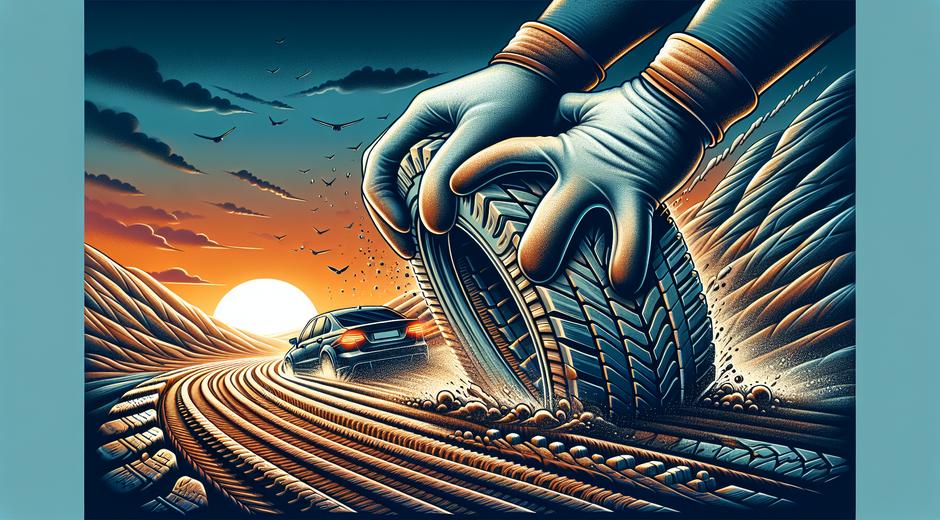
In cycling and motorsports tires are the primary contact point for Traction. Tread pattern rubber compound and tire pressure are three variables athletes and mechanics adjust to tune grip. Road cyclists choose tires with minimal tread for low rolling resistance but must consider wet weather Traction. Mountain bikers select chunky treads that bite into loose surfaces and shed mud that would reduce grip.
In motorsports engineers focus on how tires deform under load to increase the contact patch and thus Traction. Managing tire temperature is also vital because rubber compounds change behavior as they heat. For amateur athletes understanding basic tire care and selection can lead to faster times and safer rides.
Training to Improve Traction Skills
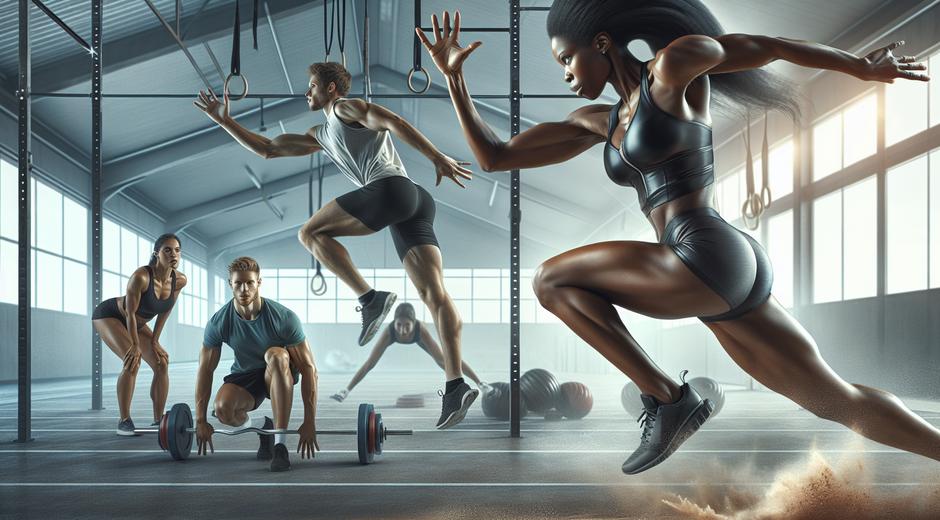
Traction is partly equipment and partly skill. Athletes can train foot placement balance and strength to use Traction more effectively. Plyometric drills improve the ability to apply force quickly and reduce ground contact time which can make traction more effective. Balance work and proprioception drills allow athletes to sense small slips and correct them before they result in falls.
Practice under varied surface conditions trains the nervous system to make rapid adjustments. Conditioning sessions that mimic game speed on wet or loose surfaces reduce the chance of being surprised during competition. Coaches can incorporate controlled exposure to low Traction conditions so athletes learn safe techniques to recover from slips.
Choosing Gear for Better Traction
Selecting the right gear means evaluating expected weather playing surface and the athlete role. For field sports the mix of cleat type and length matters more than brand. In indoor sports shoes that have a slightly stickier rubber can help but only if they do not pick up too much dust. Athletes who compete on multiple surfaces may maintain separate pairs to match conditions.
For product research and style guidance that helps you pick the best gear for grip and comfort consult curated reviews and buying guides from trusted sources such as StyleRadarPoint.com which highlights key technologies and real world test results.
Maintenance Tips to Preserve Traction
Maintaining Traction requires regular attention. Clean soles after play to remove compacted mud and debris. Replace worn studs on cleats and check tire pressure before each ride to match conditions. On indoor courts use proper shoe cleaning protocols rather than walking outdoors on the playing surface to avoid transferring abrasive particles that reduce grip.
For teams investing in facility upkeep simple steps such as cleaning playing surfaces and monitoring wear patterns can prevent hazards. Transparent communication between players coaches and facility staff helps identify Traction issues early before they affect performance or safety.
Safety Considerations and Injury Prevention
Good Traction reduces some injury risks but incorrect equipment or sudden changes in grip can increase stress on joints. For instance using shoes with overly aggressive studs on a hard surface could lock a foot during a twist and increase the risk of knee injury. Athletes should seek equipment that balances grip with the ability to release safely during unexpected movements.
Progressive training that improves strength stability and technique helps the body tolerate higher grip forces. Emergency protocols and first aid readiness matter because even with ideal Traction slips and falls still occur.
How Coaches and Trainers Use Traction Insights
Coaches who understand Traction can design drills and practice plans that emphasize safe high speed work on surfaces that match competition. Video analysis helps identify moments when athletes lose grip so that coaches can adjust footwork mechanics or recommend equipment changes. Trainers integrate Traction awareness into warm up routines to ensure athletes are prepared for sudden directional changes.
In team selection and scouting Traction data may inform match day choices. Players who excel on heavy soft ground may provide strategic advantage under certain conditions. The ability to adapt Traction strategy to weather and surface conditions becomes a tactical asset.
Conclusion Traction as a Competitive Edge
Traction touches nearly every element of sport from footwear choice to training methods and surface maintenance. By treating Traction as a core performance factor athletes and coaches can unlock gains in speed stability and safety. Prioritize the right gear practice adjustment drills and maintain surfaces and equipment to preserve reliable grip. For ongoing advice on gear training and surface selection keep exploring expert coverage and reviews to stay ahead in your sport.
Traction is both science and craft. When you focus on both aspects you create consistent advantage that shows up when it matters most.